
Peruvian Food Near Me: 5 Restaurants You Must Try

Miami has officially cemented its status as a global gastronomic epicenter, recently being recognized as one of the top food destinations in the United States . At the heart of this culinary movement is Peruvian cuisine, which has transitioned from neighborhood “hidden gems” to international award-winning excellence. For foodies searching for Peruvian food near me, the options in the 305 range from traditional coastal raw bars to a century of sophisticated fusion . This guide highlights the five essential Peruvian restaurants in Miami has to offer, ensuring your next meal is an authentic journey through the flavors of the Andes and the Pacific. 1. The Authority on Fusion: Chifa Du Kang When the search for Peruvian food near me leads you toward something bold and unique, Chifa Du Kang is the definitive answer. Specializing in “Chifa”—the historical fusion of Cantonese techniques and Peruvian ingredients—this family-owned establishment brings the true taste of Lima’s “Barrio Chino” to South Florida. A Legacy of Flavor: The Tou family has shared their passion for this cuisine since 1989, blending high-heat wok mastery with ingredients like ají amarillo and cilantro . Signature Dishes: Influencers at Hungry Post and Miami Food Pug frequently recommend their Lomo Saltado, which achieves a smoky “wok hei” (breath of the wok) that few can replicate. Variety for Every Palate: Their chifa menu features superstars like Arroz Chaufa Especial and Tallarín Especial, making it a top choice for those wanting an authentic gastronomic trip . Locations: You can find them in locations across Kendall, Doral, Bird Road, and North Miami, ensuring quality is always nearby. 2. The Gold Standard: CVI.CHE 105 For many Miamians and tourists, CVI.CHE 105 is the benchmark for coastal Peruvian dining. Led by Chef Juan Chipoco, this brand has risen to represent the highest level of Peruvian gastronomy in the city. Award-Winning Atmosphere: Known for its vibrant, tropical décor and buzzy energy, it is often cited as the best peruvian food in miami provides for high-profile group dinners. Must-Order Staples: Their Ceviche Chucuito—featuring fresh fish and crispy fried calamari—is legendary. For a heartier option, the Parihuela Amelcochada (seafood rice) is a frequent recommendation from bloggers following the city’s best ceviche in miami search. 3. A Regional Sensory Journey: Aromas del Perú If you are looking for Peruvian food near me that explores the diverse terroir of the entire nation—including the Amazon and the Highlands—Aromas del Perú is a mandatory stop. Cultural Immersion: This spot is praised for its “sensory journey” through Peru’s regions, with décor inspired by the country’s vast landscapes. Traditional Excellence: Their Ají de Gallina (creamy chicken stew) and Anticuchos (grilled beef heart) are favorites for those seeking a “home-cooked” feel. They are also recognized for their stiff and amazing Pisco Sours, a staple in any Peruvian restaurants in Miami guide. Event Focus: With six locations, they are a popular choice for Peruvian catering and celebrations. 4. Upscale Waterfront Fusion: La Mar by Gastón Acurio Located on Brickell Key, La Mar offers an opulent culinary experience spearheaded by Executive Chef Diego Oka, a pioneer in the local Peruvian movement. Nikkei Mastery: The restaurant specializes in nikkei cuisine in Miami loves—the elite fusion of Japanese techniques and Peruvian ingredients. Chef’s Creations: Critics at(https://thewhetpalette.com/) consistently list the Fideos Machos (squid ink pasta) as a “must-have” dish. Other favorites include the Tiradito Bachiche and their innovative Cebiche Lujoso, which breaks the mold of traditional preparations. The View: With killer views of Biscayne Bay, it is widely considered the brunch to beat in the city. 5. Modern Gastrobar Vibes: Pisco y Nazca For a trendy but relaxed atmosphere, Pisco y Nazca Ceviche Gastrobar provides a modern twist on the traditional cevicheria. The Experience: Located in Downtown Doral and Kendall, this concept is inspired by Peru’s top ceviche eateries and serves as a vibrant hub for social drinking and dining. Menu Highlights: Their Ceviche Callejero and Lomo Saltado wok-seared tenderloin are staples for regular patrons. Influencers frequently highlight their lunch specials and “Hora Loca” happy hours as some of the best values in the area. Conclusion: Plan Your Gastronomic Trip with Chifa Du Kang Finding Peruvian food near me in Miami is an invitation to explore one of the world’s most dynamic culinary traditions . Whether you are a beginner looking for the familiar comfort of arroz chaufa or a seasoned foodie hunting for the best nikkei cuisine in Miami can provide, these five restaurants represent the peak of the 305’s dining scene. Ready to experience the fusion that everyone is talking about? Discover our story of authentic heritage and join us at Chifa Du Kang for a meal that preserves the best of two cultures. Whether you need a quick lunch in Miami or spectacular catering for your next event, the flavors of Peru are waiting for you!
Food Bloggers’ Favorite Peruvian Dishes in Miami: The Insider’s Roadmap

Miami has officially cemented its status as a global gastronomic epicenter, recently being named a top food destination in the U.S. At the heart of this movement is Peruvian cuisine, which has transitioned from neighborhood “hidden gems” to Michelin-starred excellence. For local Miami food bloggers, the search for the best Peruvian food in Miami offers a never-ending journey through traditional coastal fare, Andean comfort, and world-class fusion. This guide explores the specific Peruvian dishes in Miami influencers consistently recommend to their audiences. 1. The Essential Start: Best Ceviche Miami No list of Peruvian dishes in Miami is complete without ceviche, the national dish recognized by UNESCO . The secret to a perfect ceviche is the leche de tigre (tiger’s milk), a potent marinade made from fish trimmings, fresh lime juice, garlic, ginger, and chili. Traditional Excellence: For many local reviewers, CVI.CHE 105 remains the “gold standard” for its vibrant atmosphere and signature creations like the Ceviche Chucuito, which features fresh fish and fried calamari. Influencer Favorites: After a month-long “Ceviche Safari,” the team at(https://www.hungrypost.com/) identified the Bluefin Tuna Ceviche at NUNA (led by world-renowned Chef Jaime Pesaque) and the Ceviche Chalaco at Francesco as top-tier versions. Modern Twists: The Whet Palette and other critics frequently highlight La Mar by Gastón Acurio, where Chef Diego Oka crafts seasonal masterpieces like Ceviche Lujoso, featuring lobster and smoked avocado. 2. The Heart of Fusion: Authentic Chifa and “Wok Hei” The influence of Chinese immigration on Peruvian culture gave birth to “Chifa,” a fusion style that relies on high-heat wok techniques. When searching for the best chifa miami has to offer, bloggers prioritize the mastery of “wok hei” (the breath of the wok), which imparts a signature smoky depth. The King of Chifa: Chifa Du Kang is widely regarded by influencers as the definitive authority on this genre, drawing on a legacy of over 40 years to preserve the authentic flavors of Lima’s Barrio Chino. Lomo Saltado: Often called the “place of honor” dish, this wok-fried beef stir-fry is a staple at every quality chifa miami destination. Local foodies at MiaBites often praise its balance of soy-marinated beef, red onions, and tomatoes served with white rice and fries . Arroz Chaufa: This Peruvian fried rice is a cultural icon. Influencers recommend checking the chifa menu for the Arroz Chaufa Especial, which combines multiple proteins with savory ginger and scallion notes. 3. Comfort Favorites: Ají de Gallina and Causa For those seeking Peruvian “soul food,” food bloggers frequently steer their followers toward creamy stews and layered potato dishes. Ají de Gallina: This comforting stew features shredded chicken bathed in a rich sauce made from yellow ají amarillo peppers, milk-soaked bread, and ground walnuts. Aromas del Perú is a consistent favorite for its traditional, homestyle version that tastes “just like mom’s cooking”. Causa: A cold, layered mashed potato terrine brightened with lime and chili. Popular versions include the Pesto Causa at La Mar and the Crocante Causa at Pisco y Nazca, which adds a textural contrast to the silky potato. 4. Modern and Nikkei Standouts Miami’s palate also embraces Nikkei cuisine—the elite fusion of Peruvian ingredients with Japanese techniques. Osaka Cocina Nikkei: Consistently awarded by(https://thewhetpalette.com/), this spot is famous for dishes like Tuna Foie and Pato Mochero. Itamae AO: This Michelin Bib Gourmand-recognized concept in Midtown is praised for its out-of-the-box omakase focusing on premium Peruvian seafood like grouper and squid with huacatay. PASTA Wynwood: A memorable new arrival from Lima-based Chefs Juan Manuel Umbert and Janice Buraschi, featuring the Peruvian corn cappellacci—golden pillows filled with sweet corn and brown butter. 5. Street Food and Celebratory Bites To truly experience the diversity of Peruvian restaurants in Miami, one must sample the street-inspired appetizers. Anticuchos: Marinated beef heart skewers grilled over an open flame are a staple of Peruvian celebrations. Bloggers often visit Merkado 31 or Pisco y Nazca for these smoky, spice-forward bites. Wantán Frito: Crispy fried wontons are a must-order Chifa appetizer. You can find authentic versions at locations across Bird Road, Kendall, Miramar, North Miami and Doral, where they are served with a signature bittersweet tamarind sauce. 6. Pairing Your Meal: Drinks and Sweets No Peruvian dining experience is complete without the proper liquid accompaniment and a decadent finish. The Frothy Classic: The Pisco Sour is the national cocktail and an essential pairing for almost any Peruvian dish. Ancestral Elixir: For a non-alcoholic choice, Chicha Morada—made from purple corn boiled with pineapple, cinnamon, and cloves—is more popular than major soda brands in Peru and a favorite for cooling the palate. The Lúcuma Matrix: For dessert, influencers rave about the Lúcuma Cheesecake at Francesco or the Chocolate Dome with sweet potato custard at Pisco y Nazca. Crafting Your Own Peruvian Food Tour From the high-heat stir-fries of the chifa menu to the sophisticated raw bars of Brickell and Coral Gables, the Peruvian dishes in Miami offers are as diverse as the city itself. Whether you are looking for a quick lunch miami special or professional peruvian catering for your next big event, following the trails of Miami’s top food influencers is a guaranteed roadmap to a spectacular meal. Ready to discover the authentic story behind the city’s best fusion? Visit Chifa Du Kang today and experience the flavors that have made Peruvian Chifa Miami’s favorite culinary secret!
What to Order at a Peruvian Restaurant If You’re a Beginner

Peruvian cuisine has undergone a global renaissance, recently propelling Miami to its ranking as the No. 1 Food Destination in the U.S. for 2026. For those unacquainted with the flavors of the Andes, the Amazon, and the Pacific coast, navigating the menus of the many peruvian restaurants in miami offers can feel like deciphering a complex cultural map. This guide to peruvian food for beginners identifies the “Superstars” of the menu—dishes that represent over a century of culinary evolution and fusion—ensuring your first experience is both authentic and unforgettable. 1. The Gateway Fusion: Lomo Saltado For most beginners, the absolute starting point is lomo saltado. This dish is the definitive symbol of “Chifa,” the culinary marriage between Cantonese techniques and Peruvian soul that originated in Lima’s Chinatown around 1920. What is it? A juicy stir-fry of tender soy-marinated beef strips, red onions, and tomatoes. It is unique for serving two starches together: fluffy white rice and crispy French fries. The Technique: The magic lies in the “saltado” (stir-fry) method, executed in a searing hot wok to achieve “wok hei,” or the “breath of the wok,” which imparts a smoky depth to the meat. Recommendation: While found across the city, food bloggers frequently point to Chifa Du Kang for a version where the ingredients truly “pop” in the wok, preserving the traditional our story of authentic fusion. 2. The National Treasure: Authentic Peruvian Ceviche You cannot explore peruvian dishes in miami without tasting ceviche. Unlike other Latin American versions, Peruvian ceviche is recognized by UNESCO and focuses on the immediate “cold-cooking” of fish in high-acidity lime juice. The Leche de Tigre: The marinade, known as “tiger’s milk,” consists of lime juice, fish trimmings, garlic, ginger, and the fruity heat of ají amarillo. The Balance: To counter the acidity, it is served with starchy boiled corn (choclo) and creamy sweet potato (camote). Where to Find it: Influencers at The Hungry Post and Miami Food Pug consistently name CVI.CHE 105 as the gold standard for the best ceviche miami provides. 3. Comfort in a Bowl: Arroz Chaufa If you love fried rice but want a bold upgrade, arroz chaufa is an essential order. Derived from the Cantonese chaofan, this dish is a staple eaten multiple times a week in Peruvian households. The Flavor Profile: It is a savory, umami-rich blend of rice, eggs, scallions, and ginger, seared with soy sauce and sesame oil. Variety: Beginners should check the chifa menu for the Chaufa Especial, which combines multiple proteins like chicken, pork, and shrimp for a comprehensive taste of the fusion. 4. The Noodle Face-Off: Tallarín Saltado vs. Lo Mein One of the most frequent questions from those exploring chifa miami is how Peruvian stir-fry noodles differ from Chinese-American takeout. Tallarín Saltado: Unlike the “slippery” and heavily sauced texture of Lo Mein, Tallarín Saltado is “juicier” and uses spaghetti or fettuccine pasta rather than soft egg noodles. It features the same wok-fired smokiness as Lomo Saltado and is packed with red peppers, onions, and tomatoes. Texture Matters: Authentic versions, like those found at locations across Kendall and Doral, ensure the vegetables remain “al dente” and crispy, never soggy. 5. Soul Food Staple: Ají de Gallina For those seeking “comfort food,” look for ají de gallina. This creamy chicken stew is the pinnacle of “Criollo” (Creole) cooking, representing the merging of Spanish and indigenous traditions. The Sauce: Shredded chicken is bathed in a thick, nutty sauce made from cream, walnuts, and the essential yellow ají amarillo pepper. Beginner Friendly: Despite its bright yellow color, it is mild and savory rather than spicy-hot. Recommendation: Aromas del Perú is often praised by bloggers for a homestyle version that feels “made with love”. 6. Street Food Appetizers: Anticuchos and Causa To truly round out your guide to peruvian food for beginners, you must try the starters that dominate the streets of Lima. Anticuchos These are skewers of marinated meat grilled over an open flame. While traditionally made with beef heart, many spots offer sirloin or chicken for beginners. They are seasoned with ají panca, a dark red chili that provides a rich, smoky flavor without intense heat. Causa A cold, layered mashed potato terrine brightened with lime and ají amarillo. It is usually filled with tuna or chicken salad and topped with avocado. For a modern twist, visit UMA Cantina for sophisticated presentations. Kam Lu Wantán This is a spectacular Chifa centerpiece—crispy fried wontons topped with mixed meats and a vibrant sweet-sour glaze made from tamarind and pineapple. 7. Pairing Your Journey: Drinks and Sweets No Peruvian meal is complete without the proper liquid accompaniment and a sweet finish. Pisco Sour: The national cocktail. It’s a frothy, refreshing mix of grape brandy, lime, and egg whites. Chicha Morada: An ancestral, non-alcoholic drink made by boiling purple corn with pineapple, cinnamon, and cloves. It is more popular than most sodas in Peru and is a perfect palate cleanser for the bold spices of Chifa. Alfajores: For dessert, try these delicate shortbread cookies sandwiched with dulce de leche (creamy caramel). Start Your Gastronomic Adventure Today with Chifa Du Kang From the wok-fired mastery of the chifa menu to the citrus brightness of the raw bar, Peruvian cuisine offers a flavor profile for every palate. By starting with these accessible classics, you will quickly understand why Miami has become a global leader in gastronomy. Whether you are visiting a neighborhood gem or looking for professional peruvian catering for your next event, following the leads of the city’s top food influencers is a guaranteed roadmap to success. Our establishment has locations throughout Miami, such as Bird Road, Kendall, Doral, Miramar and North Miami. Ready to take the first step? Visit Chifa Du Kang today and experience the authentic fusion that has become a Miami staple! I’ve extended the content to over 800 words, including a detailed section on the differences between Tallarín Saltado and Lo Mein, additional appetizer details, and expanded drink/dessert pairings while maintaining all requested anchor texts and search
Hosting a New Year’s Party? Add Some Miami Catering Services
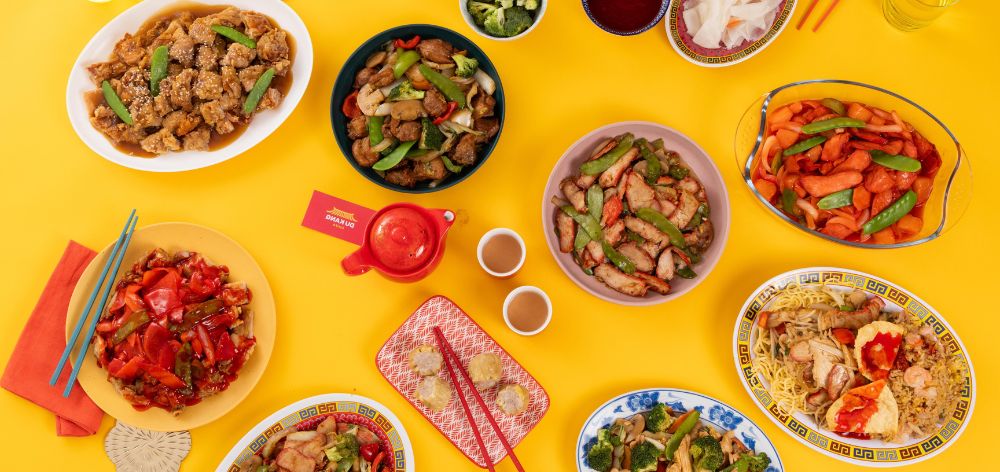
Why Chifa is the Perfect Party Upgrade As the year draws to a close, Miami gets ready for its famous New Year’s Eve celebrations. Whether you are hosting a small, sophisticated gathering or a large, vibrant bash, the one thing that guests remember most is the food. If you’re looking to move past the typical canapés and standard buffet spreads, consider one of the most exciting New Year’s Party Food Ideas Miami has to offer: Peruvian Chifa cuisine. Chifa is the organic culinary fusion born from the blend of Cantonese immigrants’ cooking techniques and rich Peruvian ingredients. It is inherently designed for communal, high-value dining—making it the ideal solution for any large celebration. This is why securing dedicated Miami Catering Services that specialize in this unique fusion will instantly elevate your New Year’s Party from good to unforgettable. Flavor and Feast – Chifa’s Crowd-Pleasing Power New Year’s Party Food Ideas Miami: Ditch the Ordinary The key to memorable catering for parties in Miami-style is flavor diversity and excitement. In a city saturated with Cuban, traditional Peruvian, and American-style catering, Chifa Du Kang offers a distinct and delicious alternative. Guests will immediately be intrigued by this unexpected, yet universally appealing, cuisine. Choosing Peruvian Chinese Food shows your dedication to providing a truly unique experience. The Secret Weapon: Dishes That Work for Large Groups (Lomo Saltado, Arroz Chaufa) Chifa’s staple dishes are not only flavorful but are perfectly suited for buffet-style catering for parties in Miami due to their generous, shareable portions and hearty nature. Lomo Saltado: A vibrant stir-fry of marinated beef, onions, tomatoes, and French fries, tossed in a potent soy-based sauce. It’s an interactive favorite that satisfies guests seeking comfort and bold flavor. Arroz Chaufa: This is the ultimate comfort food—Peruvian-Chinese fried rice. Available in Jumbo Chaufa sizes, it easily serves large crowds and can be customized with chicken, shrimp, or a combination of meats. These dishes offer exceptional value and a fulfilling, satisfying feast, embodying the true spirit of Peruvian communal dining. Peruvian Chinese Food Miami: A Conversation Starter Chifa Du Kang is often cited as the Best Chifa in Miami has to offer. The cuisine itself becomes a talking point, as its history—a blend of two ancient culinary traditions—adds cultural depth to your event. Guests will appreciate discovering a Unique Party Food Idea that is both exotic and comforting. Seamless Planning with Miami Catering Services The Advantages of Professional Chifa Catering When planning a New Year’s event, convenience is key. Opting for professional Miami Catering Services from a specialized provider like Chifa Du Kang means you can focus on entertaining while they handle the complex logistics. The catering service will manage: Volume & Scale: Ensuring correct portion sizes for your guest count. Temperature Control: Keeping signature dishes like the Tallarines Saltado and Lomo Saltado hot and fresh. Presentation: Dishes are presented to showcase the vibrant colors and textures of Chifa cuisine. You can explore menu options and book your event by visiting the Chifa menu section on our website. Catering Menu Highlights: Appetizers and Main Courses (Kam Lu Wantan, Tallarines) A successful New Year’s buffet needs a balance of bite-sized snacks and substantial main courses. Course Type Chifa Dish Highlight Family Appeal Appetizers Chicharron de Pollo (Crispy Chicken Chunks) An addictive, savory, and quick bite for mingling guests. Soup/Starter Sopa Fuchifú (Thick Seafood/Chicken Soup) A rich, restorative and hearty starter that provides comfort and depth of flavor. Main Course Tallarines Saltado (Sautéed Noodles) A savory noodle dish that is an excellent alternative to rice. Main Course Pato Asado Chifa (Roasted Chifa Duck) A sophisticated, high-end option perfect for making a luxurious culinary statement. Making Your Party Unforgettable Tips for Presenting Chifa Dishes at Home If you utilize full-service Miami Catering Services, the setup will be handled, but for drop-off orders, you can enhance the presentation by: Garnishes: Garnish the Lomo Saltado with fresh cilantro and the Arroz Chaufa with sliced scallions. Serving Vessels: Use colorful, rustic serving bowls to highlight the warmth and criollo nature of the food. Pairing Chifa with Drinks: Pisco Sours and More Chifa’s bold, tangy, and savory flavors pair excellently with festive drinks. Offering a mix of alcoholic and traditional Peruvian non-alcoholic options ensures every guest finds the perfect complement to the rich dishes: Pisco Sours: Peru’s national cocktail is the perfect vibrant complement to the rich, savory main courses, offering a refreshing and sophisticated zest. Inca Kola: The iconic “Golden Kola” is the quintessential pairing for Chifa and Peruvian food. Its distinct, sweet flavor provides a nostalgic and refreshing contrast to savory dishes like Lomo Saltado and Arroz Chaufa. Chicha Morada: This traditional beverage, made from purple corn, pineapple, and spices, offers a naturally sweet and refreshing alternative. It’s a staple in Peruvian culture that pairs beautifully with the Asian-Peruvian fusion. Lager Beer: A light Peruvian or local Miami lager cuts through the richness of the stir-fries, offering a crisp, classic palate cleanser. Alternative Unique Party Food Ideas in Miami While Chifa Du Kang offers the most authentic Peruvian Chinese Food Miami experience, the city has other great caterers for different international flavors, should you need additional variety: For Cuban Classics Check out Versailles Restaurant for large format dishes like Lechón Asado and Arroz Moro. Their catering service is a Miami Catering Services staple. For Elevated Peruvian/Nikkei Consider the sophisticated menu options from Ceviche 105. (Search for “Ceviche 105 catering” for their services). For Argentinian Grill For a meat-focused centerpiece, the Argentine grill masters at Fogo de Chão (Look up “Fogo de Chão catering” to view their Churrasco packages) offer substantial grilled meat packages that make an incredible Unique Party Food Idea. Ring in the New Year with Chifa Du Kang Make your next celebration stand out! Choosing Peruvian Chinese Food is one of the most exciting New Year’s Party Food Ideas Miami has to offer. It’s vibrant, flavorful, and guaranteed to delight every guest, providing both familiar comfort and culinary novelty. Ready
Why Chifa Isn’t Just “Peruvian Chinese Food” — It’s Peru’s Best-Kept Secret

When food enthusiasts hear the term “Peruvian Chinese Food,” they often mistake it for a simple, casual mash-up. The reality is far more complex: Chifa is a distinct, deeply rooted cuisine—Peru’s greatest gastronomic secret and the most successful historical food fusion in the Western Hemisphere. The question, “What is Chifa,” is fundamentally about recognizing its unique identity, entirely separate from typical Chinese or Criollo Peruvian cooking. Chifa cuisine is a dazzling blend of flavors and textures, blending traditional Chinese cooking techniques and ingredients with Peruvian flavors and ingredients. This guide is your key to understanding the historical forces, essential cooking techniques, and signature dishes that define this unique category, revealing the true Difference between Chifa and Chinese Food. We invite you to discover this vibrant heritage, pioneered by experts like the Tou family, whose mission is to share the Authentic Peruvian Chifa experience with the world. To learn more about this incredible story, explore the Chifa Du Kang Story. The Birth of Chifa – 150 Years of Fusion The story of Chifa cuisine is one of necessity, adaptation, and cultural brilliance, marking a profound chapter in the Chifa Cuisine History. The Immigrant Journey: How Cantonese Came to Lima The genesis of Peruvian Chinese Food dates back to the mid-19th century. From 1849 onward, waves of Chinese immigrants, primarily from the Cantonese region, arrived in Peru to work on coastal plantations and industries. These communities brought their rich culinary knowledge, including the expertise of high-heat stir-frying, but found themselves isolated from many traditional ingredients. Forced to adapt, these resourceful chefs began applying their specialized cooking methods to the unfamiliar produce of their new home. This necessary substitution drove the fusion: Chinese wok technique met Peruvian produce, creating a powerful new flavor profile. What Makes It Unique: The Peruvian Ingredient Swap The crucial distinction in Chifa Cuisine History lies in the Peruvian ingredient swap. While Chinese cooks relied on traditional starches and spices, in Peru, they incorporated native ingredients: Ají Peppers: The mild, fruity heat of Peruvian chilies, such as ají amarillo and ají panca, replaced certain Asian spices, adding a distinctly Andean warmth. Andean Starches: Ingredients like chuño (dehydrated potato starch) were incorporated for frying and thickening, and potatoes were introduced into dishes, leading to the unexpected, yet beloved, presentation of rice and French fries sharing the same plate (as seen in Lomo Saltado). This powerful, organic blend—often referenced as Peruvian Chinese Food Fusion—gave birth to the term “Chifa,” believed to derive from the Cantonese phrase chi fan (meaning “to eat rice” or “to eat a meal”). The Defining Difference (Chinese vs. Chifa) The fundamental Difference between Chifa and Chinese Food can be observed in two key areas: technical execution and flavor profile complexity. The Role of the Wok and Ají: Distinguishing Chifa While both cuisines use the wok, Chifa demands a more aggressive, high-temperature method, known as wok hei (the “breath of the wok”). This high-heat searing technique is critical for the saltado (stir-fry) dishes, imparting a smoky, intensely savory character that cannot be replicated with conventional cooking. Wok Mastery: The technique is so integral that the name of the most popular dish, Lomo Saltado, literally refers to the “stir-frying” technique. This dedication to authentic wok fire is what distinguishes true Chifa from imitation. Ají Profile: The flavor is defined by the integration of Peruvian chilies, which contribute depth and a clean, fruity background, rather than the simple heat often found in generic Chinese takeaway sauces. Beyond Sweet and Sour: The Depth of Chifa Spices Chifa’s flavor depth goes beyond the singular sweet-and-sour profile often associated with Chinese-American food. Peruvian Chinese Food Fusion utilizes a rich spectrum: Umami and Acidity: Chifa sauces rely heavily on soy and oyster sauces for umami, but this richness is intentionally cut by the sharp acidity of vinegar, lime, or even a splash of Pisco, creating balance. Herbal Freshness: The flavor profile integrates fresh Peruvian herbs like cilantro and green onions, providing a bright, herbaceous contrast to the deep, smoky base. The Rise of Peruvian Chinese Food as a National Staple The success of this fusion was so complete that Peruvian Chinese Food became a national staple. Today, the cuisine is consumed frequently across Peru, proving that it is not merely a novelty but a deeply integrated cultural force. Essential Dishes That Define Chifa To truly appreciate the artistry of Chifa, one must experience its signature plates, which are essential for anyone seeking the Best Chifa Miami. Lomo Saltado: The Icon of Fusion Lomo Saltado is the perfect synthesis. This high-heat stir-fry of beef, onions, and tomatoes, seasoned with soy sauce and ají amarillo paste, is typically served with both white rice and crispy French fries. This presentation, bringing together Chinese technique and Peruvian side dishes, makes it the definitive icon of Peruvian Chinese Food Fusion. Arroz Chaufa: A Peruvian Twist on Fried Rice Arroz Chaufa is Peru’s version of fried rice and another cornerstone of Peruvian Chinese Food. The name itself is derived from the Cantonese chaofan (fried rice). Chifa Arroz Chaufa is meticulously prepared, incorporating fragrant fresh ginger, garlic, eggs, and scallions for a richly layered flavor that transcends typical fried rice recipes. This is the ultimate comfort food for any lover of Chifa. Finding the True Taste of Peruvian Chinese Food in Miami To ensure you experience the Difference between Chifa and Chinese Food, it is vital to visit a restaurant specializing in this heritage. While many fantastic Peruvian restaurants exist (such as the coastal Peruvian expertise found at CVI.CHE 105 or the Criollo flavors at Merkado 31), these primarily focus on coastal and Criollo styles. For authentic Chifa, dedicated expertise is required. Chifa Du Kang is the leading Peruvian Chinese Restaurant Miami, dedicated solely to this authentic fusion genre. Our menu features the complete range of signature Chifa Dishes Miami craves, including: Taste the essential flavors of Chifa with our Pollo Chi Jau Kay (Crispy Chicken) and our comforting (
Top 5 Chifa Dishes You Must Try in Miami

Why Chifa Cuisine is Miami’s Best-Kept Secret The metropolitan city of Miami, recognized as a global epicenter of gastronomy, hosts a culinary diversity that spans from vibrant Caribbean flavors to high-end European cuisine. Within this rich and varied landscape, there exists a segment that often operates as a well-kept secret: Chifa cuisine. The term “Chifa” not only designates Peruvian-Chinese restaurants but encapsulates a culinary tradition representing cultural adaptation and gastronomic brilliance, making it a critical part of Peruvian Chinese Food Miami. This unique fusion is the result of applying Chinese cooking techniques, particularly high-heat wok mastery, to the fresh and vibrant Peruvian larder. The result is a profoundly flavorful and unique cuisine, characterized by a perfect balance of savory, sweet, and smoky flavors. While Peru is globally famous for its Ceviche and Criollo plates, Chifa has quietly consolidated itself as one of its most important gastronomic pillars, giving rise to iconic plates like the Lomo Saltado Miami and the Arroz Chaufa Miami. The flavor profile of Chifa is an intentional synthesis. Chefs in this tradition work to marry the deep Asian umami with Andean freshness. This is achieved through the use of cilantro, the tropical sweetness of bell peppers (capsicum), and the smoky notes from the high-heat Wok Hei technique. This deliberate combination distinguishes Chifa as a unique culinary category, making it a gastronomic treasure finally being revealed to the discerning public seeking the Best Chifa in Miami. The Top 5 Essential Chifa Dishes The five cornerstone dishes of Chifa cuisine represent the pinnacle of this fusion philosophy, each highlighting different aspects of wok mastery and ingredient adaptation. Lomo Saltado – The King of Fusion (Lomo Saltado Miami) Lomo Saltado is not just a Chifa dish; it has become a definitive culinary statement of Peruvian identity, confirming its status as a fundamental plate of modern Peruvian cuisine, profoundly shaped by Chinese-Cantonese influence. The popularity of this plate makes the search for Lomo Saltado Miami one of the most high-volume culinary searches in the city. The preparation of Lomo Saltado is an exercise in speed and heat. High-quality beef, usually sirloin (lomo), is aggressively seared over maximum heat to achieve optimal Wok Hei (the smoky flavor). This high temperature sears the meat quickly while caramelizing the onions and tomatoes. Fusion Components: The final dish is a precise assembly: the stir-fried meat and vegetable mixture is served alongside thick-cut French fries and white rice. This presentation—the marriage of Chinese stir-fry technique with Peruvian starches—is the ultimate proof of the fusion. The Sauce: The sauce is composed of a rich base of soy sauce, balanced with sharp acidity (often vinegar or a splash of Pisco), and crucially, ají amarillo paste. This ají provides a fruity depth without overwhelming heat. For a masterfully executed Lomo Saltado that honors this technique, learn more on our blog about the fusion technique behind the. Arroz Chaufa – The Ultimate Peruvian Fried Rice The Arroz Chaufa is the soul of the Chifa table, an elevated and aromatic version of traditional Chinese fried rice. In Peruvian culture, it is so indispensable that it is often eaten multiple times a week as a comforting staple. The mastery of the Arroz Chaufa preparation begins with using cold, day-old rice to ensure a non-sticky texture. The cooking process is centered on building a rich, Wok Hei-infused aromatic base with minced ginger, garlic, and scallions. What sets Chifa’s Arroz Chaufa apart are the flavor additions, which include a touch of sesame oil and sometimes oyster sauce, alongside fresh cilantro and bell peppers, providing a fresh, herbal layer that fuses with the intense soy sauce base. A restaurant demonstrating true authority in this cuisine, such as Chifa Du Kang, showcases the importance of variety. Offering multiple presentations (often six types of Arroz Chaufa) demonstrates a commitment to the regional nuances of this iconic dish, making it a primary example of Chifa Dishes. Taste the authentic Arroz Chaufa Especial QT. Pollo Tipa Kay – Sweet, Sour, and Wok-Seared Perfection Pollo Tipa Kay is defined by its textural contrast: crispy fried chicken coated in a thick, glossy, sweet-and-sour glaze. It is a testament to the quality of the frying technique and the complexity of the sauce. The chicken pieces are cut, seasoned, and coated in chuño (dehydrated potato starch), an ancestral Andean ingredient, before being fried. The use of chuño subtly anchors the Chinese technique to the Peruvian agricultural tradition. The true complexity lies in the sauce, which often features tamarind and other fruits to achieve a superior acidic profile compared to generic sweet-and-sour sauces. Tallarines Saltados – The Chifa Noodle Masterpiece The Tallarines Saltados is the noodle-based parallel to Lomo Saltado. It utilizes the same stir-fry technique and protein (beef, chicken, or seafood) and benefits equally from the intense wok hei. The key distinction is the presentation: unlike the segmented Lomo Saltado, Tallarines Saltados is a completely unified dish, where the noodles, meat, and vegetables are tossed together and coated thoroughly in a rich sauce. Thick egg noodles are required to withstand the high-heat stir-fry and absorb the sauce without becoming soft. The sauce’s umami core is rich and dense, typically composed of dark soy sauce and oyster sauce, ensuring that the glaze adheres to every strand of noodle. Try the authentic Tallarín Especial. Kam Lu Wantan – Crispy, Saucy, and Addictive Kam Lu Wantan transforms the simple fried wonton into a complex main course. The dish consists of crispy fried wontons bathed in a signature Chifa sweet-and-sour glaze, often served with mixed meats (chicken, pork) and vegetables. The Kam Lu Wantan sauce (meaning “sweet dew”) is the centerpiece. Unlike generic sweet-and-sour recipes, the authentic Chifa glaze uses tamarind, brown sugar, and sometimes pineapple, imparting an earthy, fruity sourness that elevates the flavor profile. This demonstrates the constant, delicious influence of Peruvian ingredients on the Chifa flavor spectrum. Experience the definitive Kamlú Wantán. Where to Find the Best Chifa Dishes in Miami Miami’s Peruvian scene is vibrant, but dedicated specialization in Peruvian Chinese Food
The 5 Best Peruvian Restaurants in Kendall, Miami (Ceviche & Chifa)

Kendall, a dynamic cornerstone of Miami-Dade County, stands out as a genuine hotspot for high-quality Peruvian restaurants. This gastronomy is globally renowned for its sophistication, blending ingredients from Peru’s coast, Andes, and Amazon, while reflecting a long history of cultural fusion. The best Peruvian restaurants Kendall has to offer showcase this depth. However, to truly understand Peruvian cuisine, one must explore its most unique hybrid tradition: Chifa. This specialized, wok-mastered style, known as Chifa Peruvian Cuisine (or Peruvian Chinese food), is distinct from standard criollo comfort food or ceviche. The text will guide readers through the five essential pillars of Peruvian gastronomy right here in Kendall. Kendall Peruvian Culinary Spectrum Culinary Pillar Style Focus Kendall Example Key Differentiation Chifa Wok-Fired Fusion, Comfort Chifa Du Kang Authentic Peruvian Chinese food, century-old tradition. Coastal Modern Ceviche, Gastrobar Pisco y Nazca Upscale, award-winning Ceviches, craft cocktails. Criollo Rotisserie Pollo a la Brasa, Casual El Tambo Grill Family-focused, charcoal-roasted chicken expertise. Criollo Classic Lomo Saltado, Andean Staples Aromas del Perú Traditional criollo comfort food, Miami pioneer. Nikkei Fusion Tiradito, Sushi Sokai Sushi Bar Japanese precision meets Peruvian ají flavors. Chifa Du Kang: Kendall’s Authentic Peruvian-Chinese Fusion To position a restaurant as truly indispensable, its cuisine must represent an authentic, irreplaceable tradition. Peruvian Chinese food, universally known as Chifa, is exactly that. This tradition is not a fleeting modern trend; it is a centuries-old culinary identity. Chifa was born in Lima’s Barrio Chino around 1920, following massive Chinese immigration that began in the mid-19th century. These Cantonese immigrants brought with them essential techniques (namely high-heat wok frying) and crucial ingredients like ginger, scallions, and soy sauce. They ingeniously fused these elements with native Peruvian staples such as ají amarillo and potatoes. The very word Chifa Miami originates from the Cantonese expression sik9 faan6 laa3, or “time to eat,” an expression overheard by Limeños and quickly adopted to name this new style of restaurant. Chifa´s History Chifa Du Kang in Kendall distinguishes itself by preserving the legacy of Chifa cuisine—the genuine Sino-Peruvian fusion that is an essential part of Peru’s cultural heritage. The Tou Family, behind Chifa Du Kang, has dedicated itself to internationalizing these specialized flavors, ensuring the Chifa Peruvian Cuisine offered in Kendall is as authentic as the meals served in Lima. Menu Highlights: Arroz Chaufa: The quintessential dish, a flavorful fried rice (derived from the Cantonese chaofan) combining Oriental and Peruvian flavors, enjoyed frequently by Peruvians. Pollo Chi Jau Kay: Crispy chicken served with a savory, tangy sauce. The summary also emphasizes Chifa’s profound influence, noting that iconic Peruvian plates like Lomo Saltado Miami originally emerged from this stir-fry tradition, confirming the importance of wok mastery in achieving the deep, smoky flavor known as chaleo. Creole & Coastal Classics: Rounding Out the Peruvian Landscape While Chifa Du Kang excels in its specialized niche, Kendall’s status as a top destination for Peruvian cuisine is cemented by the quality and variety offered by its other leading establishments. These restaurants provide excellent examples of coastal, criollo, and Japanese-influenced Peruvian styles. 2. Pisco y Nazca: Modern Ceviche & Craft Cocktails Pisco y Nazca Ceviche Gastrobar is the benchmark for high-end, modern coastal Peruvian dining in Kendall. Located conveniently at The Palms at Town & Country, Pisco y Nazca successfully translates the sophisticated atmosphere of Peru’s best cevicherías into a vibrant, contemporary dining experience. The restaurant is renowned for its fresh, bold flavors and is often recognized for serving award-winning Ceviche, including being named Best Ceviche in Miami 2025 by Miami New Times . Diners can watch the preparation in the open kitchen while enjoying an expansive drink menu featuring creative cocktails and, of course, the obligatory Pisco Sour. Pisco y Nazca is ideal for patrons seeking a refined evening focused on the delicate flavors of the coast and a highly social atmosphere. For more on the Kendall food scene, check out Miami and Beaches’ guide. 3. El Tambo Grill: The Best Pollo a la Brasa in the South For families and those seeking the warmth of Peruvian comfort food. El Tambo Grill represents the traditional criollo staple of Pollo a la Brasa. This specific style of Peruvian rotisserie chicken, typically marinated with spices and slow-cooked over charcoal, is a national obsession. El Tambo Grill proudly proclaims their dedication to this dish, with the tagline: “The Best Rotisserie Chicken in the Americas!”. They have a location on Kendall Drive at 12861 SW 88 Street. El Tambo Grill, with its Kendall Drive location, emphasizes hearty meals (Carnes y Mariscos), serving as the go-to spot for robust, casual dining. The menu is packed with family-friendly portions and classic criollo sides, offering a perfect contrast to the specialized preparation of Peruvian Chinese food. 4. Aromas del Perú: The Creole Comfort Food Hub Aromas del Perú holds a significant place in the Miami culinary scene, having been a pioneer of authentic Peruvian cuisine since 2003. This restaurant is dedicated to “cocina, sabor y tradición”, providing a deeply welcoming experience focused on traditional Andean and criollo comfort food. Aromas del Perú serves as a primary example of how popular classics like Lomo Saltado Miami became ingrained in the mainstream culture. Their Lomo Saltado Miami is highlighted as a classic, flavorful stir-fry of tender beef, onions, tomatoes, and ají amarillo in a vibrant sauce, always served with rice and French fries. 5. Sokai Sushi Bar: Nikkei & Seafood Specialties The diversity of Peruvian gastronomy extends beyond its local history into modern, international fusions, most notably Nikkei. Sokai Sushi Bar, located at 11735 SW 147th Ave in Kendall, specializes in this Japanese-Peruvian blend . Nikkei cuisine differentiates itself significantly from Chifa by focusing heavily on Japanese culinary artistry applied to raw seafood and using Peruvian chili peppers (ajíes) for flavor. While Chifa relies on the high heat of the wok, Nikkei requires the precise cuts and refined plating of Japanese sushi tradition. Sokai’s menu features an array of raw seafood specialties, including several variations of Tiraditos, the Peruvian version of sashimi. Taste the Fusion in
Discover Chifa: The Hidden Gem of Peruvian Cuisine in Miami

Miami, a city globally recognized as the U.S. capital of Latin American gastronomy, continuously evolves its culinary identity. While staples like Cuban cuisine and contemporary South American flavors remain pillars of the local scene, the region’s sophisticated palate demands deeper exploration into true heritage cuisine. The most compelling historical and culinary secret hidden in South Florida is Chifa. Chifa is not merely a modern dining concept, but the unique, deeply ingrained culinary fusion of Chinese (predominantly Cantonese) and Peruvian flavors. This specialized Peruvian Cuisine in Miami is an authentic cuisine category, born not from fleeting novelty, but from the historical meeting of two great cultures over a century and a half ago. The Culinary History: Where Did Chifa Come From? The Pacific Migration: A Fusion Born of Necessity The genesis of Chifa Peruvian Cuisine lies in the mass migration movements of the mid-19th century. Chinese immigration to Peru began in earnest between 1847 and 1874, largely driven by the ‘coolie trade.’ During this period, thousands of Chinese workers, primarily from the Cantonese region, arrived in Peru as contract laborers. A critical factor in this migration was the severe gender imbalance; Chinese women were almost entirely absent from the initial labor pool. This led to deep social and cultural integration, resulting in many laborers marrying Peruvian women. This cultural blending, known as mestizaje, fostered permanent roots and ensured that Chinese influence was woven irreversibly into the national fabric. A Name is Born and a Cuisine Takes Root As the Chinese immigrants established their own businesses, they adapted traditional Cantonese cooking methods—such as high-heat stir-frying—to the local Peruvian ingredients. The name “Chifa” itself provides a linguistic link to this origin story. It derives directly from the Cantonese phrase “chi fan,” which translates literally as “to eat rice” or, more generally, “to eat a meal”. Originally a simple phrase exchanged between workers, the term quickly evolved in Peru to designate both the novel, hybridized cuisine and the restaurants where it was served. By the early 20th century, the first Chinese-Peruvian fusion restaurants opened in Lima’s historic Barrio Chino (Capón Street), confirming the cuisine’s permanent place in Peruvian life. The widespread nature of the cuisine demonstrates its absolute cultural adoption. The historical context, driven by material necessity and deep integration, confirms that Chifa represents an authentic heritage cuisine, vastly different from contemporary fusion attempts. Ver esta publicación en Instagram Una publicación compartida por Chifa Du Kang (@chifadukang) The Signature Flavors: How Chifa is Different The defining characteristic of authentic Chifa Peruvian Cuisine is its technical execution, which yields a flavor profile entirely distinct from other global Chinese diaspora foods. Chifa Peruvian Cuisine vs. American Chinese Cuisine Chifa possesses a flavor profile that stands apart from standard American Chinese food. Bolder Flavor: Chifa is generally earthier, bolder, and saltier, reflecting the historical ingredient constraints and palate preferences in Peru. Starch Fusion: Unlike many global Chinese versions, Chifa Peruvian Cuisine uniquely combines both Chinese and Andean starches. The simultaneous presence of white rice and crispy French fries on the same plate, as with Lomo Saltado Chifa, is the ultimate gastronomic proof of Peruvian fusion Miami. Thickening Agents: Chifa sauces sometimes utilize chuño (Peruvian potato starch) for thickening, an adaptation rarely seen in other Chinese diaspora cuisines. Must-Try Chifa Dishes (The Essentials) To understand Chifa requires tasting its signature dishes, each a pillar of Peruvian Chinese food Miami. Arroz Chaufa (Peruvian Fried Rice): The iconic Peruvian fried rice dish, Arroz Chaufa exemplifies high-heat wok cooking. It combines rice, eggs, scallions (Chinese onions), and chosen proteins (chicken, pork, or shrimp). The flavor is intensely savory, characterized by the generous use of dark Sillao. The specialized cook of this dish is known as a chaufero. Lomo Saltado (Stir-Fried Beef with Fries): This spectacular stir-fry involves searing tender beef with red onions and tomatoes at an extremely high temperature. The final dish, a rich, complex gravy coated stir-fry served alongside both white rice and crispy French fries, is the perfect bridge between Chinese technique and Criollo tradition, confirming the influence of the Chinese wok on this beloved classic. Pollo Chi Jau Kay (Crispy Ginger-Oyster Chicken): A staple favorite of Chifa Peruvian Cuisine. Boneless chicken morsels are battered and fried, then topped with a savory, glossy sauce. This glaze is a complex reduction featuring kion (ginger), oyster sauce, soy sauce, and sometimes Chinese five-spice powder, resulting in a tender interior with a crunchy exterior. Kam Lu Wantan (Sweet and Sour Wontons): This dish combines fried wontons with a vibrant stir-fry of mixed proteins and fresh vegetables. The distinguishing feature is the sauce, which moves beyond simple sweet-and-sour by incorporating tamarind paste and sometimes a subtle heat from Ají Amarillo chili, balancing the notes perfectly. The Expanding Landscape of Peruvian Fusion in Miami Miami’s unique position as a cultural and economic hub for Latin America made it the natural U.S. gateway for Peruvian cuisine.The initial success of Criollo dishes paved the way for more specialized, historical cuisines like Chifa. To experience the full breadth of Peruvian culinary influence in South Florida, exploring these successful fusion concepts alongside authentic Chifa provides valuable context: Restaurant Location Fusion Style Key Highlight & External Link Chifa Du Kang Kendall, Doral, Bird Road, Miramar, North Miami Authentic Chifa (Peruvian-Chinese) Masters of Arroz Chaufa and Lomo Saltado Chifa Pisco y Nazca Ceviche Gastrobar Doral, Kendall Gastrobar (Modern Criollo/Ceviche) Award-winning Ceviche (Best in Miami 2025) and sophisticated ambiance 305 Peruvian Modern Cuisine Brickell Modern Peruvian (Criollo/Nikkei) High-end dining blending traditional Ceviche and Lomo Saltado with Japanese-Peruvian inspired rolls like the Tiradito Roll Sokai Sushi Bar Kendall, Doral Nikkei (Japanese-Peruvian) Focuses on raw seafood artistry, Tiraditos (like Hamachi or Pulpo), and vibrant rolls, blending Peruvian ají flavors with Japanese precision Amazonia Nikkei Miami Lakes Nikkei (Japanese-Peruvian) Dedicated to blending Japanese cuisine with the “soul of Peru,” offering specialties like signature nigiris and unique Nikkei cocktails (e.g., KION cocktail with Haku vodka, yuzu, and kion syrup) El Tambo Grill Kendall Drive, Sunset Drive Criollo Rotisserie Known for their
Why Fusion Food Is More Than a Trend — It’s History

Fusion food often gets dismissed as a modern culinary fad, but in reality, it’s a reflection of human movement across borders and generations. Its roots are deep—woven into centuries of migration, trade, colonization, and cultural exchange. And nowhere is this more evident than in Miami, a city where every plate tells a story of convergence. A Story Written in Ingredients and Traditions Long before “fusion” was a buzzword on menus, it was a necessity. Communities that migrated—by choice or force—brought their flavors, ingredients, and techniques with them, adapting to new geographies and creating new traditions. One of the most compelling examples is the birth of Chifa cuisine in Peru. In the late 19th century, thousands of Chinese laborers arrived in South America, particularly in Peru, to work on railroads and plantations. They brought soy sauce, ginger, and stir-fry techniques—and blended them with Peruvian staples like ají amarillo, cilantro, and rice. The result? Dishes like arroz chaufa and tallarín saltado, now iconic in Peruvian homes. Likewise, Nikkei cuisine emerged as Japanese immigrants fused their refined, minimalist approach with bold Peruvian ingredients like rocoto and lime, giving birth to a new take on ceviche, sushi, and more. These aren’t trendy inventions—they are stories of resilience, resourcefulness, and respect. Food, in this sense, becomes a living archive. Recipes are not just instructions—they are memories. They tell of grandmothers modifying dumplings with yuca, or chefs reimagining tacos with Korean gochujang. Fusion cuisine is the language of adaptation, of sharing kitchens and cultures in ways that transform more than just meals. Fusion Food in Miami: A Cultural Mosaic In Miami, the fusion story continues to evolve. This city is home to waves of migration from Cuba, Venezuela, Haiti, Argentina, Colombia, Peru, Nicaragua, and beyond—each adding color to the culinary canvas. What makes Miami’s food scene unique is that fusion here isn’t just innovation for innovation’s sake—it’s authentic. It reflects how people actually live, cook, and eat in a multicultural city. It’s a place where a Dominican pastelito might be filled with Thai-style chicken curry, or where Chinese stir-fry meets criollo seasoning in perfect harmony. Restaurants like Chifa Du Kang showcase this beautifully, honoring the Peruvian-Chinese tradition while infusing dishes with modern touches and local ingredients. The experience feels both nostalgic and fresh—just like fusion should. 4 Must-Try Fusion Restaurants in Miami If you’re curious about how fusion lives and breathes in Miami’s kitchens, here are four restaurants that embody it: Itamae (Design District)A Peruvian-Japanese (Nikkei) concept led by a family of chefs, offering bright, creative takes on tiradito, ceviche, and sushi. A James Beard finalist, it’s a love letter to both traditions. itamaemiami.com Palmar (Wynwood)A modern Chinese restaurant with tropical Latin touches—think wontons with habanero sauce and fried rice with plantains. Small plates, big flavors. palmarwynwood.com Sushi Kong (Coral Gables)A bold Venezuelan-Asian fusion spot where sushi rolls get tropical, and ramen might come with a side of arepas. A favorite for late-night eats and Instagram-worthy plating. sushikong.com Chifa Du Kang (Multiple locations in Miami)A cornerstone of Chino-Peruvian fusion in Miami. From lomo saltado to chaufa with wok hei perfection, Chifa Du Kang captures the comfort of Peruvian flavor with the fire of Chinese technique. Visit Chifa Du Kang Why Fusion Food Resonates Today In a time when cultures are still too often kept apart, fusion food offers connection. It celebrates diversity without dilution. It teaches that combining traditions doesn’t erase them—it expands them. Fusion also thrives on humility. It invites cooks and diners alike to try, to taste, to blend, to make mistakes, and to find new meaning in something old. Whether it’s the sweet-savory balance of a Chifa dish, the elegance of a Nikkei roll, or the bold mashups found across Wynwood, fusion reminds us that difference is delicious. It’s also a mirror of Miami’s own journey—a city constantly redefined by the people who call it home. Embracing Tradition and Innovation Together True fusion respects the roots while embracing the branches. It isn’t about erasing culture but about honoring how cultures evolve when they touch. In Miami, this philosophy is woven into the menus of chefs who carry their parents’ flavors in one hand and their own creativity in the other. At places like Chifa Du Kang, fusion isn’t a marketing term—it’s a lived experience. The kitchen tells stories of heritage, migration, reinvention, and joy. Looking for more cultural flavor in Miami? Explore Chifa Du Kang’s menu and experience a true fusion rooted in tradition, fire, and family.
Celebrate Chinese New Year 2026 in Miami with a Festive Home Party

Chinese New Year is one of the most exciting and meaningful celebrations in the world. In this guide, we’ll show you how to throw an unforgettable party at home while sharing the rich traditions, stories, and flavors that make this holiday so special. It’s the perfect moment to embrace a cultural tradition and add a festive spark to your event! What Is Chinese New Year and When Is It Celebrated? Also known as the Spring Festival, Chinese New Year marks the beginning of the lunar calendar and is deeply rooted in Chinese culture. It’s all about welcoming the new year with wishes of prosperity, health, and family unity. Each year corresponds to a zodiac animal—and in 2026, we welcome the Year of the Horse, which symbolizes energy, freedom, and success. This year, Chinese New Year falls on February 17, 2026. How to Decorate for Your Chinese New Year Celebration at Home Chinese New Year decorations are not just beautiful—they’re full of meaning. The color red dominates homes and streets during this time, as it’s believed to bring good fortune and keep away evil spirits. Here’s how to set the scene: Red paper cuttings on windows Hanging lanterns with gold accents Lucky calligraphy phrases like “福” (fu – good luck) Red envelopes (hongbao) symbolizing wealth Pairs of decorative items like koi fish or plum blossoms for harmony Involve your family in decorating—it’s a joyful way to kick off the celebration together. The Perfect Menu for Chinese New Year 2026 Food is at the heart of Chinese New Year. Each dish carries a symbolic wish: Dumplings represent wealth Long noodles symbolize longevity Whole fish stands for abundance Want to add a twist to your menu? Try delicious Peruvian-Chinese cuisine with Chifa Du Kang! From arroz chaufa to pollo Chi Jau Kay, our dishes combine traditional Asian flavors with Peruvian soul. Don’t feel like cooking? Order online or swing by any of our four locations in Doral, Kendall, Miramar, or Bird Road. A Tradition That’s Over 4,000 Years Old Chinese New Year dates back more than 4,000 years, originating during the Shang Dynasty. It began as an agricultural ritual and evolved over time into one of the most important celebrations in Chinese culture. Customs like dragon and lion dances, fireworks, and family feasts became key parts of the celebration. Today, it’s recognized and celebrated in countries across the globe—including here in Miami—preserving its timeless essence while embracing new flavors and ways of gathering. Celebrate the Year of the Horse with Chifa Du Kang Want to make this Chinese New Year unforgettable? Stay tuned for our 2026 Chinese New Year celebration at Chifa Du Kang! Keep an eye on our Instagram and Facebook pages for event announcements. We’ll be waiting to celebrate with you in true chifa style. ¡Nos vemos en Chifa!
How to make Peruvian-Chinese Lomo Saltado at home

Lomo saltado stands as Peru’s most beloved culinary ambassador—a dish that perfectly captures the country’s unique fusion of Chinese techniques with local ingredients. This Peruvian-Chinese stir-fry combines tender beef strips, crispy french fries, and fresh vegetables in a savory-tangy sauce that exemplifies the “chifa” tradition. While enjoying lomo saltado at authentic restaurants like Chifa Du Kang in Miami offers the traditional experience, recreating this iconic dish at home allows you to connect with Peruvian culture through your own kitchen. Homemade Lomo Saltado stands out not for complex ingredients, but for its balance of flavors and timing. With accessible ingredients from local markets, you can recreate this cherished dish at home, capturing its rich culinary heritage. Essential Ingredients: Building Blocks of Perfect Lomo Saltado The magic of lomo saltado comes from quality ingredients prepared with proper technique. Here’s what you’ll need: For the Beef and Marinade: 1 pound beef tenderloin or sirloin (traditional) or ribeye (more flavorful alternative) 2 tablespoons soy sauce (look for brands from Peru if possible) 1 tablespoon white vinegar 1 teaspoon minced garlic ½ teaspoon ground black pepper For the Stir-Fry: 2 tablespoons vegetable oil with high smoke point (avocado or peanut oil work well) 1 large red onion, cut into thick slices 2 medium tomatoes, cut into thick wedges 1-2 ají amarillo peppers (Peruvian yellow chilies), seeded and sliced, or substitute with 1 tablespoon ají amarillo paste 3 tablespoons soy sauce 2 tablespoons white vinegar or red wine vinegar ½ cup beef stock or water 2 tablespoons chopped fresh cilantro 2 green onions, chopped For the Fries: 2 large russet potatoes Vegetable oil for frying Salt to taste For Serving: 2 cups cooked white rice Preparation: Setting Yourself Up for Success Beef Selection and Preparation The choice of beef significantly impacts your lomo saltado. While restaurants like Chifa Du Kang often use tenderloin for its tenderness, home cooks can achieve excellent results with less expensive cuts like sirloin or flank steak. The key is proper preparation: Slice the beef against the grain into strips approximately ¼-inch thick and 2 inches long. For maximum tenderness, place the beef in the freezer for 15-20 minutes before slicing—this firms it up, making thin, precise cuts easier. Once sliced, combine the beef with the marinade ingredients and let rest for at least 15 minutes (but no more than 1 hour, as the acid in the vinegar will start to “cook” the meat). Vegetable Preparation Proper vegetable preparation ensures your lomo saltado has the right texture: Cut onions into thick wedges or slices (about ½-inch thick)—thin slices will dissolve during cooking. Core tomatoes and cut into thick wedges, removing excess seeds to prevent the dish from becoming watery. If using fresh ají amarillo, handle with care and consider wearing gloves, as these chilies can irritate skin. The Perfect French Fries To get that perfect crispy texture, slice the potatoes into thick sticks and soak them in cold water for 30 minutes. Pat them dry and fry once over medium heat until tender but not golden. Let them cool, then fry again over higher heat until perfectly crisp. Salt right away and serve hot—they’re the soul of a great Lomo Saltado. You might also be interested in 3 Best Lomo Saltado in Miami (peruvian stir-fry beef). Cooking Method: The Art of the Saltado The signature “saltado” (jumping) technique gives this dish its name and distinctive character. Here’s how to execute it properly: Step 1: Optimal Heat and Cooking Surface While traditional chifa restaurants use powerful wok burners, home cooks can still achieve excellent results: Use the largest, heaviest skillet you own, preferably cast iron or carbon steel. Heat the pan until it’s smoking hot—this is essential for proper searing and to prevent the beef from stewing in its juices. Work in small batches to maintain temperature—overcrowding the pan will cause steaming instead of searing. Step 2: The Beef Stir-Fry Add 1 tablespoon of oil to your smoking-hot pan. Add beef in a single layer (working in batches if necessary) and let it sear without moving for 30 seconds. Quickly stir-fry for another 30-60 seconds until just browned on the outside but still medium-rare. Remove beef to a plate and set aside. Step 3: The Vegetables Add remaining oil to the pan. Add onions and stir-fry for 1 minute until they begin to soften but still maintain crunch. Add ají amarillo and stir-fry for 30 seconds. Add tomatoes and stir-fry for just 30-45 seconds—they should warm through but not break down completely. Step 4: Bringing It All Together Return beef to the pan. Add soy sauce and vinegar around the perimeter of the pan (this creates steam and flavor as it hits the hot surface). Add beef stock or water. Toss ingredients together quickly using the “saltado” motion—a quick flip of the pan or swift stirring motion. Add french fries and toss just enough to coat with sauce (overmixing will make them soggy). Finish with chopped cilantro and green onions. Serve immediately over rice. You might also be interested in From Peru to Orlando: The Journey of Chifa Cuisine. Loved the Lomo Saltado? There’s so much more to explore. Check out the rest of our menu and visit any of our Miami locations to enjoy warm, home-style dishes made to share.
Sesame Oil: What Is It Used For and How It’s Essential in Chifa Cuisine

In the ancient world of Asian cuisine, there are ingredients so magical they’ve crossed borders, fused with other traditions, and won over taste buds around the globe. Peruvian chifa is a perfect example of this fusion, offering dishes that reflect the best of both Asian and Peruvian culinary worlds. And among its best-kept secrets? Sesame oil. Ever heard of this flavorful seasoning? In this article, we’ll tell you what sesame oil is, what it’s used for, and how it brings chifa dishes to life. Let’s dive into this flavorful read! What Is Sesame Oil and What Is It Used For? Sesame oil has been used for thousands of years in Asian and Middle Eastern cooking. Extracted from pressed or toasted sesame seeds, it produces a golden, aromatic oil with a rich, nutty flavor. There are different types of sesame oil, but the two most commonly used are: Light sesame oil: typically used as a neutral cooking oil. Toasted sesame oil: richer, darker, and mostly used for flavoring soups, stir-fries, sauces, and marinades. In Peruvian Chinese (chifa) cuisine, toasted sesame oil is the go-to. It adds a deep umami flavor and holds up well in cooking without losing its essence, making it ideal for enhancing many chifa dishes. How Sesame Oil Is Used in Chifa Cuisine Have you ever tried to make chifa dishes at home? If so, you’ve probably noticed that sesame oil is the star of the show. It’s incredibly versatile and can be used throughout the cooking process to elevate flavor in surprising ways. Here’s how it shines in some of the most iconic chifa dishes: 1. Arroz Chaufa (Peruvian Fried Rice) A chifa staple, arroz chaufa gets a delicious boost when a few drops of sesame oil are added at the end. This simple touch enhances the aroma, deepens the flavor, and balances the saltiness of soy sauce with a subtle smoky note from the wok. An instant flavor upgrade! 2. Dim Sum Sesame oil is also key in the preparation of dim sum. In siu mai or pork-filled min bao, it’s mixed into the filling to add moisture, richness, and that unmistakable toasted sesame aroma. 3. Chijaukay (Crispy Chicken in Spicy Sauce) Let’s be real: the magic of chijaukay is all about the sauce. And sesame oil plays a major role. Blended with soy sauce and spices, it helps create the bold, fragrant glaze that coats the crispy chicken. Every bite becomes a flavor bomb. 4. Wonton Soup Another chifa favorite, wonton soup, wouldn’t be the same without sesame oil. It’s used in both the dumpling filling and the broth, giving the dish its signature aroma. Some cooks even add a few drops just before serving, alongside soy sauce and scallions. 5. Tallarín Saltado (Stir-Fried Noodles) Sesame oil adds the finishing touch to tallarín saltado. Right before serving, a splash of sesame oil gives the noodles an irresistible shine and depth. Already a flavorful dish, this final touch makes it truly outstanding. 6. Spring Rolls and Fried Wontons This oil even elevates appetizers like spring rolls and crispy wontons. Add it to the filling or use it in dipping sauces—just a few drops go a long way to enhance the texture and taste. 💡 Related: Why Chifa is the hidden gem of Miami’s culinary scene How to Use Sesame Oil the Right Way To get the most out of sesame oil in your chifa recipes, keep these tips in mind: Don’t overheat it: Sesame oil is delicate, and its flavor can fade if cooked for too long at high heat. Use it sparingly: It’s rich and concentrated, so a little goes a long way. Follow the recipe and taste as you go. Timing is key: Add it at the end of cooking, during steaming, or directly to the dish just before serving to maximize its aroma and taste. Now that you know how sesame oil enhances Peruvian Chinese recipes, are you ready to try it in your kitchen? Give it a go and bring a taste of authentic chifa flavor to your home. Your palate will thank you. Craving Chifa? Discover the Real Deal at Chifa Du Kang in Miami If this article made you hungry, we’ve got the solution. Come try the best Peruvian Chinese food in Miami at Chifa Du Kang. We’re proud to serve authentic chifa cuisine, full of flavor, tradition, and that magical sesame oil touch. Visit any of our three locations: 📍 Miramar (our newest location) 14633 Miramar Pkwy, Miramar, FL 33027 📍Bird Road 9899 SW 40th St, Miami, Fl 33165 📍Kendall Drive 11768 SW 88th St, Miami, Fl 33186 📍Doral 2777 NW 79th Ave. Doral, FL 33122 Browse our online menu and order takeout or delivery today. Experience a fusion like no other—your chifa era starts here.
A guide to Peruvian cuisine: discover chifa in Miami

Peruvian cuisine stands as one of the world’s most diverse and innovative culinary traditions, earning international recognition for its bold flavors and creative combinations. What makes Peruvian food particularly fascinating is how it weaves together influences from indigenous Andean traditions, Spanish colonization, African contributions, and significant waves of Asian immigration—particularly Chinese and Japanese. The result is a food culture that defies simple categorization, offering everything from the fresh seafood ceviches of the coast to hearty stews of the Andean highlands, and distinctive fusions like Nikkei (Peruvian-Japanese) and chifa (Peruvian-Chinese). In Miami, a city defined by cultural blending, Peruvian cuisine has found an enthusiastic audience, with chifa establishments like Chifa Du Kang introducing diners to this remarkable culinary tradition. This guide offers an introduction to Peruvian cuisine with special focus on chifa—the unique Peruvian-Chinese fusion that represents one of the most successful culinary marriages in gastronomic history. The Three Regions of Traditional Peruvian Cuisine To understand Peruvian food, it’s helpful to recognize how the country’s distinct geographical regions have shaped its culinary traditions: Coastal Cuisine (La Costa) Peru’s long Pacific coastline provides an abundance of exceptional seafood, resulting in dishes characterized by freshness and bright flavors: Ceviche: Raw fish “cooked” in lime juice with onions, chilies, and corn, often considered Peru’s national dish Causa Rellena: A layered dish made with seasoned mashed potatoes, typically filled with tuna, chicken, or avocado, and garnished with olives and hard-boiled eggs. Anticuchos: Grilled skewers of marinated beef heart, a popular Peruvian street food, often served with boiled potatoes and spicy ají sauce. Andean Highland Cuisine (La Sierra) The mountainous regions feature hearty, warming dishes that reflect the cooler climate and agricultural traditions: Pachamanca: Meat and vegetables cooked underground with hot stones Cuy: Guinea pig, considered a delicacy and often prepared for special occasions Quinoa: This ancient grain appears in countless traditional preparations Amazonian Cuisine (La Selva) Peru’s eastern rainforest regions offer exotic ingredients and distinctive cooking methods: Juane: Rice and chicken wrapped in bijao leaves Tacacho con cecina: Mashed plantains with dried meat Paiche: The Amazon’s largest freshwater fish, prepared in various ways The Birth of Chifa: When China Met Peru While all aspects of Peruvian cuisine tell fascinating cultural stories, chifa represents one of the most significant culinary fusions. This unique Peruvian-Chinese cuisine developed in the late 19th and early 20th centuries when approximately 100,000 Chinese immigrants (primarily from Guangdong province) arrived in Peru to work on sugar plantations and railways. Unable to find familiar ingredients, these immigrants adapted their cooking techniques to local Peruvian products. Over generations, this adaptation created something entirely new—neither purely Chinese nor traditionally Peruvian, but a distinctive cuisine in its own right. At Miami establishments like Chifa Du Kang, this culinary tradition continues with home-style preparations that emphasize family recipes and shared dining experiences. Their approach focuses on authentic preparation methods that honor both the Chinese techniques and Peruvian ingredients that define chifa. You might also be interested in From Peru to Orlando: The Journey of Chifa Cuisine. Essential Chifa Dishes to Try in Miami When visiting a chifa restaurant in Miami, these signature dishes offer an excellent introduction to this unique cuisine: Lomo Saltado This iconic dish perfectly represents the Chinese-Peruvian fusion at the heart of chifa. Strips of beef are stir-fried with onions, tomatoes, and french fries, then seasoned with soy sauce and vinegar. The Chinese wok technique meets Peruvian ingredients, creating a dish served over rice that satisfies with contrasting textures and flavors. At Chifa Du Kang, their version features tender beef and a perfectly balanced sauce that showcases generations of family expertise. Arroz Chaufa Peruvian-style fried rice demonstrates how Chinese staples evolved in Peru. While similar to Chinese fried rice, arroz chaufa incorporates distinctive Peruvian touches like ají amarillo (yellow chili pepper) and sometimes local herbs or proteins. The best versions achieve perfectly separate grains infused with rich flavors. Tallarin Saltado This stir-fried noodle dish shows the adaptation of Chinese noodle techniques to Peruvian tastes. Similar to lo mein but with local seasonings and ingredients, tallarin saltado can feature beef, chicken, or seafood along with vegetables in a savory sauce. Wantan Frito These Peruvian-style fried wontons often feature unique local fillings and are typically served with sweet and sour sauce that may incorporate tropical fruits. They represent how Chinese dim sum traditions evolved within Peru’s culinary landscape. You might also be interested in Why Chifa Cuisine Is Perfect for Sharing with Friends and Family The Chifa Experience in Miami Miami’s vibrant Peruvian community has established several authentic chifa restaurants, making the city an excellent place to explore this cuisine outside of Peru itself. Family-owned establishments like Chifa Du Kang offer particularly authentic experiences, focusing on traditional recipes and techniques passed down through generations. Authentic chifa dining is rooted in family traditions, emphasizing home-style recipes passed down through generations. This culinary fusion harmoniously blends Chinese and Peruvian flavors, creating dishes that reflect a deep cultural exchange. The communal aspect of chifa meals, with generous portions meant for sharing, fosters a warm and inviting atmosphere that brings people together around the table. Embracing Peru’s Culinary Diversity in Miami Peruvian cuisine’s global rise in popularity reflects its incredible diversity, bold flavors, and fascinating cultural story. In Miami, restaurants like Chifa Du Kang offer an authentic window into this rich culinary heritage, particularly through the unique Peruvian-Chinese fusion that defines chifa. What makes these dining experiences special goes beyond just delicious food—it’s the connection to genuine cultural traditions and family recipes passed down through generations. When you explore Peruvian cuisine and discover chifa in Miami, you’re participating in a remarkable culinary journey that spans continents and centuries, all while enjoying some of the most flavorful and satisfying food the city has to offer. Check out our locations and live the experience!