
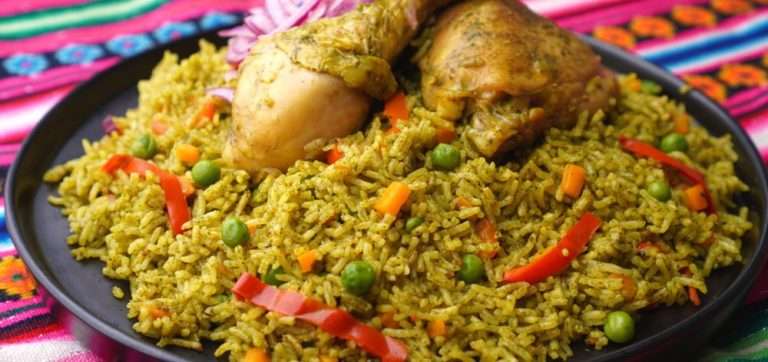

Long before “fusion” became a restaurant category, Latin American cooks were adapting recipes to migration, trade, colonization, local harvests, and the ingredients available in a new home. Today, a search for restaurants near me in Miami reveals the result: cuisines shaped by Indigenous knowledge, African influence, European arrivals, Asian migration, Caribbean movement, and generations of family cooking.
This history matters because fusion is not simply a chef combining two popular flavors for novelty. In Latin America, many blended dishes emerged through necessity, survival, community, and time. They became familiar enough to be considered traditional—even when their origins crossed oceans.
1. Latin American food has always reflected movement
Corn, potatoes, cassava, beans, chile peppers, cacao, and tomatoes were part of Indigenous foodways long before European conquest. Colonization then introduced new animals, grains, dairy products, and cooking customs. Enslaved Africans preserved and adapted culinary knowledge under violent conditions, while later migrations from China, Japan, Italy, Germany, the Middle East, and other regions added new techniques and ingredients.
The result was not one uniform “Latin cuisine.” It was a collection of regional cuisines that continued changing from one port, mountain range, island, and city to another. Miami now brings many of those histories together, which is why the city is such a natural place to explore them. The official Greater Miami guide to Latin food moves from Argentine grills and Cuban classics to Venezuelan and Peruvian specialties.

2. The Caribbean table was already a meeting place
Caribbean cooking shows how ingredients and techniques can travel while keeping local meaning. Rice, beans, plantains, root vegetables, pork, seafood, citrus, and spices appear in different combinations across Cuba, Puerto Rico, the Dominican Republic, and neighboring communities.
A plate of arroz congrí, mofongo, sancocho, or lechón may look firmly established today, but each reflects layers of Indigenous, African, Spanish, and regional Caribbean influence. These dishes became classics because communities repeated, adjusted, and passed them down—not because someone recently decided to label them fusion.
3. Mexico and Central America transformed outside ingredients
Across Mexico and Central America, ancient corn traditions met ingredients introduced from Europe and other parts of the world. Wheat, dairy, pork, and new cooking methods entered cuisines already built around maize, beans, squash, chile peppers, herbs, and cacao.
That history is visible in foods such as tacos al pastor, which are often discussed in connection with shawarma-style techniques brought by Lebanese migration, and in the many breads, stews, cheeses, and filled corn preparations that vary by region. A dish can carry outside influence while remaining deeply local.

4. Peru made cultural blending part of its culinary identity
Peruvian cuisine offers one of the clearest examples. Indigenous ingredients and techniques interacted with Spanish, African, Chinese, Japanese, Italian, and other influences. Peru’s official tourism site describes Lima’s cuisine as the result of African, Indigenous, and Chinese traditions coming together, with those influences visible in anticuchos, causa, arroz chaufa, and lomo saltado.
The official guide to Lima’s cuisine shows why calling this food “modern fusion” misses the point. The blending happened across generations and eventually became part of how Peruvians understand their own cuisine.
5. Chifa is a cuisine created through migration
Chifa grew from Chinese migration to Peru and the meeting of Cantonese cooking knowledge with Peruvian ingredients, language, and eating habits. It is Peruvian food with Chinese roots, not simply a Chinese menu served in a Latin American country.
Peru’s tourism authority traces arroz chaufa to Chinese immigrants and explains how wok cooking, rice, soy sauce, ginger, green onions, eggs, meats, and local adaptation produced one of Peru’s most popular dishes. Read the history of arroz chaufa and chifa for a closer look at that evolution. The Smithsonian also describes chifa as Chinese-Peruvian fusion shaped across generations of immigration.
6. Arroz chaufa and lomo saltado show how fusion becomes tradition
Arroz chaufa uses fried-rice technique but belongs unmistakably to Peru’s everyday food culture. Lomo saltado brings wok heat and soy-seasoned beef together with onions, tomatoes, rice, and French fries. Neither dish feels like a temporary experiment. Both are recognizable Peruvian classics.
This is the difference between a short-lived mashup and a living cuisine. A living cuisine develops vocabulary, rituals, family preferences, regional variations, and memories. People order the dish because it tastes like home, not because it appears innovative.

7. Miami continues the same conversation
Miami’s dining culture is shaped by people who arrived from across Latin America and the Caribbean, along with communities from many other parts of the world. Restaurants preserve recognizable dishes, adjust menus for new customers, and sometimes create combinations that could only happen in South Florida.
Tripadvisor currently lists dozens of fusion restaurants in Miami. Yet the most meaningful examples are not always the most theatrical. Sometimes fusion appears in a familiar sauce, an adapted ingredient, a family recipe recreated with what is available, or a dish that has traveled from Lima to Miami.
8. What to look for when searching for restaurants near me
When comparing restaurants near me, use more than distance as the deciding factor. Search for a cuisine or dish, read the restaurant’s story, review the menu, and look for signs that the team understands the tradition it represents. “Fusion” should not erase the communities that created the food.
Useful searches include “fusion restaurants Miami,” “Latin restaurants in Miami,” “Peruvian Chinese food Miami,” and “chifa Miami.” These phrases narrow broad results and connect the search to the cultural story behind the meal.
9. Experience Chinese-Peruvian fusion at Chifa Du Kang
A search for restaurants near me can lead to Chifa Du Kang, where the menu centers on chifa dishes made for sharing. Start with fried wontons, arroz chaufa, stir-fried noodles, Chi Jau Kay chicken, lomo saltado, or another family-style entrée. Explore the full Chifa Du Kang menu before visiting, especially if it is your first chifa meal.
For a larger family gathering, office meal, or cultural tasting event, review Chifa Du Kang’s catering options and confirm current portions, lead time, delivery coverage, and availability directly with the restaurant.

10. Find the nearest Chifa Du Kang location
Chifa Du Kang serves South Florida through five restaurant locations. Each address below links directly to Google Maps:
- Bird Road — 9899 SW 40th St, Miami, FL 33165
- Doral — 2777 NW 79th Ave, Doral, FL 33122
- Kendall — 11768 SW 88th St, Miami, FL 33186
- Miramar — 14633 Miramar Pkwy, Miramar, FL 33027
- North Miami — 1760 NE Miami Gardens Dr, Miami, FL 33179
The next time you search for restaurants near me, remember that a menu can carry centuries of movement. Latin American fusion was not waiting for a trend. It was already happening in homes, markets, ports, and family restaurants—and it continues every time a community makes a recipe of its own.


