
Christmas Eve, Peruvian Style: Miami Catering Packages for Every Family Size

Christmas Eve in a Peruvian home is rarely just dinner. It is a late-night celebration built around family, conversation, familiar flavors, and a table prepared for sharing. For Miami families balancing work, travel, guests, and last-minute holiday plans, Miami catering can protect that tradition without requiring one person to spend the entire day in the kitchen. A chifa menu is especially useful for Christmas Eve because rice, noodles, appetizers, soups, and family-style entrées can be combined for groups of different sizes. The key is to match the order to the number of guests, the way the food will be served, and whether the meal is the main event or one part of a larger Peruvian holiday spread. 1. Start with the guest count, not the number of dishes Before choosing a package, confirm how many adults and children will eat, whether guests will arrive at the same time, and how many other dishes will be on the table. A group serving only chifa will need a different quantity from a family adding turkey, panetón, hot chocolate, salads, or dishes prepared at home. Chifa Du Kang’s official catering service is designed for groups of 10 or more. Half trays serve approximately 8 to 12 people, while full trays serve approximately 15 to 20. Smaller groups can place a regular restaurant order or choose from the available family packs. 2. Christmas Eve dinner for two A quiet Christmas Eve does not need to feel like a reduced celebration. For two people, choose one soup, one shared entrée, rice or noodles, and a small appetizer. This creates variety without filling the refrigerator with multiple full trays. Chifa Du Kang lists family-pack options for two that combine dishes such as Sopa Wantán, Kamlú Wantán or Pollo Chi Jau Kay, small arroz chaufa portions, and a canned drink. Review the current family packs for two before ordering because availability and menu details may change. 3. Packages for families of three to five For three to five guests, build the meal around contrast: a soup or appetizer, arroz chaufa, noodles, and two or more entrées with different flavor profiles. Pair a savory dish such as Pollo Chi Jau Kay with a sweeter option, vegetables, pork, or a house specialty. The family-pack menu includes combinations specifically organized for three, four, and five people. These packages can simplify portions and reduce the need to assemble a long list of individual dishes. Confirm the current contents online and adjust with an extra appetizer or entrée if your family prefers leftovers for Christmas Day. 4. Miami catering for groups of 8 to 12 Once the guest list approaches ten people, trays make service easier. A half tray is listed as serving approximately 8 to 12 guests, but the final quantity should depend on how many dishes you order and whether the menu includes other holiday foods. For a balanced table, consider one rice tray, one noodle tray, two protein-based dishes, and an appetizer. Add soup only if you have a practical way to serve and keep it at the appropriate temperature. Ask the catering team to help calculate quantities rather than assuming every tray will serve the same number of people in every menu combination. 5. Packages for 15 to 20 guests For a larger family celebration, full trays provide a practical starting point. Chifa Du Kang lists full trays as serving approximately 15 to 20 people. A varied order can include arroz chaufa, stir-fried noodles, chicken, pork or beef, vegetables, and appetizers that guests can serve buffet-style. Good Miami catering planning is not only about ordering enough food. It also means deciding where hot trays will go, labeling dishes, placing serving utensils beside each item, and leaving space for drinks and desserts away from the main buffet. 6. How to plan for more than 20 guests For an extended-family Christmas Eve, combine full and half trays according to the popularity of each dish. Rice and noodles may need larger quantities, while richer entrées can be distributed across several choices. Provide the restaurant with the total guest count, event address, preferred delivery time, dietary needs, and serving plan. The official catering information asks customers to reserve at least three days in advance, but holiday demand can create tighter availability. Contact the restaurant as early as possible and confirm the final deadline, delivery coverage, menu availability, and procedure for changes. Catering includes food delivery rather than serving staff, so plan setup and service separately. 7. Build a Peruvian-style Christmas table around chifa Chifa can share the table with other Peruvian Christmas traditions. A family may serve turkey or pork alongside arroz chaufa, noodles, fried wontons, and a chicken dish. Panetón and hot chocolate can remain part of dessert, while chicha morada, soda, wine, or another family favorite accompanies dinner. The goal is not to force every tradition into one menu. Choose the foods that matter to your family and use chifa to add generous, shareable dishes that guests recognize. Browse the full Chifa Du Kang menu to compare appetizers, soups, signatures, classics, rice, noodles, vegetables, and desserts. 8. A practical holiday catering checklist Confirm the final adult and child guest count. Ask about allergies, dietary restrictions, and preferred proteins. Decide whether chifa is the full meal or part of a larger spread. Choose pickup or delivery and confirm the correct address and time. Prepare serving utensils, plates, labels, and a plan for keeping food warm. Reconfirm the order, availability, and holiday instructions directly with the restaurant. This checklist makes Miami catering easier to manage and reduces last-minute uncertainty. Holiday catering in Miami is a real seasonal category offered across the market, including dedicated holiday-party catering services—another reason to book early rather than relying on regular-week availability. 9. Find the Chifa Du Kang location nearest your family Chifa Du Kang serves South Florida through five restaurant locations. Each address below links directly to Google Maps. Contact the restaurant to confirm which location should coordinate your Christmas Eve order: Bird Road —
Fusion Before It Was Trendy: Latin America and Restaurants Near Me in Miami

Long before “fusion” became a restaurant category, Latin American cooks were adapting recipes to migration, trade, colonization, local harvests, and the ingredients available in a new home. Today, a search for restaurants near me in Miami reveals the result: cuisines shaped by Indigenous knowledge, African influence, European arrivals, Asian migration, Caribbean movement, and generations of family cooking. This history matters because fusion is not simply a chef combining two popular flavors for novelty. In Latin America, many blended dishes emerged through necessity, survival, community, and time. They became familiar enough to be considered traditional—even when their origins crossed oceans. 1. Latin American food has always reflected movement Corn, potatoes, cassava, beans, chile peppers, cacao, and tomatoes were part of Indigenous foodways long before European conquest. Colonization then introduced new animals, grains, dairy products, and cooking customs. Enslaved Africans preserved and adapted culinary knowledge under violent conditions, while later migrations from China, Japan, Italy, Germany, the Middle East, and other regions added new techniques and ingredients. The result was not one uniform “Latin cuisine.” It was a collection of regional cuisines that continued changing from one port, mountain range, island, and city to another. Miami now brings many of those histories together, which is why the city is such a natural place to explore them. The official Greater Miami guide to Latin food moves from Argentine grills and Cuban classics to Venezuelan and Peruvian specialties. 2. The Caribbean table was already a meeting place Caribbean cooking shows how ingredients and techniques can travel while keeping local meaning. Rice, beans, plantains, root vegetables, pork, seafood, citrus, and spices appear in different combinations across Cuba, Puerto Rico, the Dominican Republic, and neighboring communities. A plate of arroz congrí, mofongo, sancocho, or lechón may look firmly established today, but each reflects layers of Indigenous, African, Spanish, and regional Caribbean influence. These dishes became classics because communities repeated, adjusted, and passed them down—not because someone recently decided to label them fusion. 3. Mexico and Central America transformed outside ingredients Across Mexico and Central America, ancient corn traditions met ingredients introduced from Europe and other parts of the world. Wheat, dairy, pork, and new cooking methods entered cuisines already built around maize, beans, squash, chile peppers, herbs, and cacao. That history is visible in foods such as tacos al pastor, which are often discussed in connection with shawarma-style techniques brought by Lebanese migration, and in the many breads, stews, cheeses, and filled corn preparations that vary by region. A dish can carry outside influence while remaining deeply local. 4. Peru made cultural blending part of its culinary identity Peruvian cuisine offers one of the clearest examples. Indigenous ingredients and techniques interacted with Spanish, African, Chinese, Japanese, Italian, and other influences. Peru’s official tourism site describes Lima’s cuisine as the result of African, Indigenous, and Chinese traditions coming together, with those influences visible in anticuchos, causa, arroz chaufa, and lomo saltado. The official guide to Lima’s cuisine shows why calling this food “modern fusion” misses the point. The blending happened across generations and eventually became part of how Peruvians understand their own cuisine. 5. Chifa is a cuisine created through migration Chifa grew from Chinese migration to Peru and the meeting of Cantonese cooking knowledge with Peruvian ingredients, language, and eating habits. It is Peruvian food with Chinese roots, not simply a Chinese menu served in a Latin American country. Peru’s tourism authority traces arroz chaufa to Chinese immigrants and explains how wok cooking, rice, soy sauce, ginger, green onions, eggs, meats, and local adaptation produced one of Peru’s most popular dishes. Read the history of arroz chaufa and chifa for a closer look at that evolution. The Smithsonian also describes chifa as Chinese-Peruvian fusion shaped across generations of immigration. 6. Arroz chaufa and lomo saltado show how fusion becomes tradition Arroz chaufa uses fried-rice technique but belongs unmistakably to Peru’s everyday food culture. Lomo saltado brings wok heat and soy-seasoned beef together with onions, tomatoes, rice, and French fries. Neither dish feels like a temporary experiment. Both are recognizable Peruvian classics. This is the difference between a short-lived mashup and a living cuisine. A living cuisine develops vocabulary, rituals, family preferences, regional variations, and memories. People order the dish because it tastes like home, not because it appears innovative. 7. Miami continues the same conversation Miami’s dining culture is shaped by people who arrived from across Latin America and the Caribbean, along with communities from many other parts of the world. Restaurants preserve recognizable dishes, adjust menus for new customers, and sometimes create combinations that could only happen in South Florida. Tripadvisor currently lists dozens of fusion restaurants in Miami. Yet the most meaningful examples are not always the most theatrical. Sometimes fusion appears in a familiar sauce, an adapted ingredient, a family recipe recreated with what is available, or a dish that has traveled from Lima to Miami. 8. What to look for when searching for restaurants near me When comparing restaurants near me, use more than distance as the deciding factor. Search for a cuisine or dish, read the restaurant’s story, review the menu, and look for signs that the team understands the tradition it represents. “Fusion” should not erase the communities that created the food. Useful searches include “fusion restaurants Miami,” “Latin restaurants in Miami,” “Peruvian Chinese food Miami,” and “chifa Miami.” These phrases narrow broad results and connect the search to the cultural story behind the meal. 9. Experience Chinese-Peruvian fusion at Chifa Du Kang A search for restaurants near me can lead to Chifa Du Kang, where the menu centers on chifa dishes made for sharing. Start with fried wontons, arroz chaufa, stir-fried noodles, Chi Jau Kay chicken, lomo saltado, or another family-style entrée. Explore the full Chifa Du Kang menu before visiting, especially if it is your first chifa meal. For a larger family gathering, office meal, or cultural tasting event, review Chifa Du Kang’s catering options and confirm current portions, lead time, delivery coverage, and availability directly with
The Ultimate Latin American Food Passport: Restaurants Near Me in Miami to Try

Searching for restaurants near me in Miami can feel like opening a map of Latin America. Within a short drive, you can move from Cuban comfort food to Venezuelan street snacks, Colombian classics, Argentinian grills, Brazilian specialties, Mexican favorites, and Peruvian chifa. The real challenge is deciding where to begin. This food passport turns that abundance into a simple tasting itinerary. You do not need to try everything in one weekend. Start with one representative dish from each destination, keep track of what you enjoy, and leave room for the foods that do not fit neatly into one national category. Miami’s strongest culinary experiences often come from migration, adaptation, and cultures meeting at the same table. 1. Cuba: begin with the flavors that shaped Miami A Miami food passport should begin with Cuban cuisine. Try ropa vieja, lechón asado, vaca frita, croquetas, a Cuban sandwich, or arroz congrí. These dishes range from quick counter-service favorites to generous plates made for a long lunch with family. The official Greater Miami and Miami Beach guide to Latin food highlights Cuban restaurants alongside the city’s broader mix of Latin American cuisines. When comparing restaurants near me, look beyond distance: check whether the menu specializes in the dish you want, whether portions are designed for sharing, and whether the atmosphere fits the occasion. 2. Venezuela: arepas, cachapas, and shareable snacks Venezuelan food offers an easy next stamp. An arepa can be filled with shredded beef, chicken, black beans, cheese, avocado, or combinations such as reina pepiada. Cachapas bring sweet corn and melted cheese together, while tequeños make a practical appetizer for a group. These foods work well for curious diners because they are recognizable but flexible. If everyone orders a different filling, the table becomes a small tasting menu without requiring a formal multi-course meal. 3. Colombia: a passport stamp for a serious appetite For Colombia, begin with bandeja paisa if you want the full experience: rice, beans, meat, plantain, egg, avocado, and other accompaniments served together. For a lighter stop, try an arepa de choclo, empanadas, or a bowl of sancocho. Many searches for restaurants near me are driven by convenience, but a food passport adds purpose. Choose one dish you have never ordered, learn what region it represents, and compare how different restaurants interpret the same classic. 4. Argentina and Brazil: follow the grill Argentina brings empanadas, provoleta, choripán, milanesa, and cuts of beef served with chimichurri. Brazil offers its own route through pão de queijo, coxinhas, feijoada, grilled meats, and brigadeiros. Both cuisines can suit a group, especially when the table is comfortable sharing starters and main dishes. If you are planning a celebration, check the format before visiting. Some restaurants specialize in a traditional plated meal, while others offer continuous tableside service, counter service, or family-style portions. 5. Mexico and Central America: go beyond the familiar order Tacos may be the first choice, but the passport should keep going. Try mole, pozole, tamales, birria, pupusas, baleadas, yuca, or grilled meats with regional salsas. Asking what the restaurant prepares in-house can lead to the most memorable part of the meal. Miami’s Latin dining landscape is broad enough that a generic search may produce hundreds of options. Tripadvisor currently categorizes hundreds of Latin restaurants in Miami, which is another reason to search by dish, neighborhood, and cuisine instead of choosing only the closest result. 6. Peru: ceviche, lomo saltado, and the world of chifa Peruvian food adds several stamps at once. Ceviche brings citrus, seafood, chile, and freshness. Lomo saltado combines a wok-fired technique with beef, onions, tomatoes, fries, and rice. Then there is chifa, the Peruvian culinary tradition created through Chinese immigration and transformed by life in Peru. Chifa deserves its own stop because it explains how food travels. Arroz chaufa, fried wontons, stir-fried noodles, Chi Jau Kay chicken, and other shareable dishes reflect Chinese techniques interpreted through Peruvian ingredients and tastes. Explore the Chifa Du Kang menu before visiting so the table can combine a familiar favorite with something new. 7. Make Chifa Du Kang one of your Miami passport stops When your search for restaurants near me leads to Chifa Du Kang, arrive ready to share. Start with fried wontons, add arroz chaufa or noodles, and choose a chicken, beef, pork, or seafood entrée for the center of the table. This approach lets first-time guests understand chifa through several textures and flavors instead of judging it by a single dish. For more ideas beyond one meal, read the restaurant’s guide to Latin restaurants in Miami. Groups planning a family gathering, office lunch, or larger tasting experience can also review Chifa Du Kang’s catering options and confirm current portions, availability, delivery areas, and lead times directly with the restaurant. 8. Turn the passport into a repeatable Miami food challenge Create a short checklist with the country, restaurant, dish, neighborhood, and one sentence about what stood out. Invite friends to choose the next destination, or plan one tasting stop each month. The goal is not to rank entire cuisines after one plate. It is to notice ingredients, techniques, and stories that make each meal distinct. Use restaurants near me as the starting point, then narrow the results with phrases such as “Latin food in Miami,” “Peruvian restaurant Miami,” or a specific dish. This gives Google more context and gives you a better chance of finding a restaurant known for what you actually want to eat. 9. Find your nearest Chifa Du Kang Chifa Du Kang has five South Florida locations, giving diners several ways to add Peruvian chifa to their food passport. Each address below links directly to Google Maps: Bird Road — 9899 SW 40th St, Miami, FL 33165 Doral — 2777 NW 79th Ave, Doral, FL 33122 Kendall — 11768 SW 88th St, Miami, FL 33186 Miramar — 14633 Miramar Pkwy, Miramar, FL 33027 North Miami — 1760 NE Miami Gardens Dr, Miami, FL 33179 The next time you search for restaurants near me, do not treat
Miami Catering for a Global Watch Party: Flavors from Every Corner of Latin America
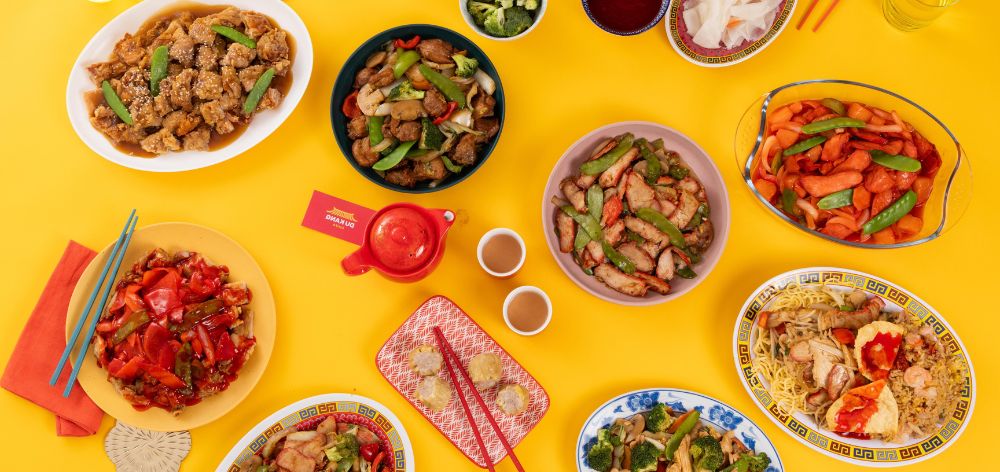
A global watch party is more exciting when the table feels as international as the match. Instead of relying on one oversized tray of the same food, build a spread that lets guests travel through Latin America between kickoff, halftime, and the final whistle. Thoughtful Miami catering makes that possible without keeping the host in the kitchen. Miami is an ideal place for this kind of celebration. The city’s food culture brings together Cuban, Mexican, Venezuelan, Colombian, Argentinian, Brazilian, Peruvian, and Caribbean traditions. The result can be festive and varied without becoming complicated, especially when the menu focuses on shareable dishes that are easy to serve and enjoy in front of a screen. 1. Start with the guest list and the way people will watch Before choosing dishes, decide how the party will move. Will everyone sit at one table, gather around a television, or move between indoor and outdoor spaces? A buffet works well when guests arrive at different times. Passed bites or party platters make more sense when everyone wants to stay close to the action. The official FIFA Fan Festival experience combines live matches with music, culture, and food. A home gathering can borrow the same idea on a smaller scale: give guests more than a screen by creating a menu that becomes part of the entertainment. 2. Build the Miami catering menu by region, not by random dishes The easiest way to make a Latin American menu feel intentional is to organize it by flavor and geography. Choose two or three regions, then select one or two dishes from each. This creates variety while keeping the order manageable and the buffet easy to explain. For Mexico and Central America, consider tacos, tamales, pupusas, or grilled skewers with fresh salsas. A Caribbean section might include croquetas, pastelitos, sweet plantains, or small Cuban sandwiches. South American options can introduce empanadas, arepas, pão de queijo, or Argentinian-style grilled bites. The Greater Miami Convention and Visitors Bureau’s Latin food guide is a useful introduction to the range of Latin American flavors available across Miami. 3. Give Peru a place at the table with chifa Peru adds an unexpected layer to the menu through chifa: Peruvian food with Chinese roots. Dishes such as arroz chaufa, fried wontons, stir-fried noodles, Chi Jau Kay chicken, and sweet-and-savory classics are made for sharing. They also work well beside other Latin American foods because guests can serve themselves small portions and return for more. The Chifa Du Kang menu includes rice, noodles, appetizers, soups, and family-style dishes that can anchor the Peruvian section of a watch-party spread. This is not simply Chinese food added to a Latin menu. Chifa developed in Peru and became part of everyday Peruvian culture, which makes it a meaningful contribution to a celebration of Latin America. 4. Choose party catering that survives the full match Good party catering should still look inviting after the opening minutes. Prioritize dishes that hold their texture, can be replenished in smaller batches, and do not require guests to use a knife and fork while watching. Keep sauces on the side when possible, use clear serving utensils, and label spicy dishes or common allergens. Balance fried bites with rice, noodles, vegetables, and protein-based dishes. The goal is not to represent every country with a separate entrée. It is to create enough contrast that guests can build different plates throughout the event without the buffet feeling disconnected. 5. Make Chifa Du Kang the Peruvian anchor for Miami catering Chifa Du Kang offers Peruvian Chinese food catering in Miami for groups of 10 or more, including celebrations, family gatherings, and corporate events. Generous portions and shareable dishes make it a practical option for a watch party where guests may return to the table several times. Start by reviewing the catering menu and requesting a quote based on the number of guests, the event address, and the serving time. If the gathering is smaller, the restaurant’s family packs can also help create a complete table without ordering every dish separately. Confirm current availability, portions, lead time, delivery area, and setup directly with the restaurant before finalizing the event. 6. Plan the quantities and timing before kickoff A smooth Miami catering order begins with accurate information. Give the restaurant the expected guest count, match start time, delivery address, dietary needs, and whether the food will be the main meal or part of a larger regional spread. Order early enough to resolve questions before game day, especially for large groups or high-demand match schedules. Set the buffet before guests arrive, but avoid opening hot containers too early. Keep napkins, plates, utensils, and waste bins in one visible area so people can serve themselves without interrupting the viewing space. A second, smaller station for drinks and desserts reduces traffic around the main food table. 7. Add simple details that make the party feel global Small touches can connect the menu to the match without turning the room into a theme park. Use cards that identify each dish and country, group condiments by region, and create a simple tasting scorecard for guests. A playlist from participating countries can fill the time before kickoff and during breaks. For drinks, offer both alcoholic and nonalcoholic choices, plenty of water, and a clearly marked self-service area. For dessert, a few easy-to-hold options—such as alfajores, brigadeiros, flan portions, or churros—can continue the trip through Latin America without requiring another full buffet. 8. Find Miami catering near your watch party Chifa Du Kang serves South Florida through five restaurant locations. Each address below links directly to Google Maps. Contact the restaurant to confirm which location should coordinate your Miami catering request and whether delivery or pickup is the best fit for your event: Bird Road — 9899 SW 40th St, Miami, FL 33165 Doral — 2777 NW 79th Ave, Doral, FL 33122 Kendall — 11768 SW 88th St, Miami, FL 33186 Miramar — 14633 Miramar Pkwy, Miramar, FL 33027 North Miami — 1760 NE Miami
Date Night Idea: Try Something New Beyond Sushi and Tacos

Some date-night choices are popular for good reason. Sushi feels polished, tacos feel relaxed, and both make ordering easy. But when they become the automatic answer every Friday, the evening can start to feel familiar before it even begins. A memorable date does not always need a rooftop, a tasting menu, or an elaborate itinerary. Sometimes it only needs a cuisine neither person orders every week—and a table that gives you something to discover together. For couples looking for fresh date night ideas in Miami, Chifa offers that balance. It is approachable but unfamiliar to many diners, generous without being formal, and naturally designed for sharing. Instead of choosing one entrée and staying on your side of the table, you can build a meal from crispy wontons, wok-fried rice, noodles, glazed chicken, vegetables, and sauces. The dinner becomes part conversation, part tasting experience. Why trying a new cuisine makes a better date A good date gives two people something to talk about without making the activity feel forced. New food does that almost automatically. You can compare flavors, trade bites, choose a favorite dish, and learn a small piece of cultural history while still having a relaxed dinner. It creates a shared first: even couples who know each other well can discover a dish together for the first time. It makes conversation easier: the menu gives you natural questions—what should we share, which sauce do you prefer, and what would you order again? It breaks the routine: a new cuisine feels more intentional than returning to the same familiar category. It stays flexible: you can keep the evening casual or order a larger spread and turn dinner into the main event. It produces small surprises: different textures and flavor combinations keep the experience moving from one plate to the next. What is Chifa—and why does it work for date night? Chifa is a Peruvian culinary tradition born from the meeting of Chinese—especially Cantonese—cooking techniques and Peruvian ingredients, tastes, and dining habits. Wok cooking, fried rice, noodles, wontons, soy sauce, ginger, and scallions developed a distinctly Peruvian identity over generations. In Peru, Chifa is not treated as a passing fusion trend. It is part of everyday food culture. That history makes the cuisine interesting, but its serving style makes it especially suited to a date. Chifa dishes are commonly placed in the center of the table. One person does not have to commit to only noodles while the other eats only chicken. You can order across the menu, share everything, and let the meal unfold through contrasts: crisp and saucy, smoky and sweet, familiar and new. Chifa is also accessible to someone trying it for the first time. Rice, noodles, chicken, pork, shrimp, and vegetables provide familiar starting points. The twist comes from the wok technique, the sauces, mixed platters, and Peruvian vocabulary surrounding the food. It feels adventurous without requiring either person to be an expert. Beyond sushi and tacos: what makes the experience different? Sushi often organizes the meal around individual pieces or a chef-led progression. Tacos are handheld, quick to customize, and usually ordered in repetitions of a few fillings. Chifa creates a different rhythm: multiple full dishes arrive for the table, and each person builds a plate from the same spread. Experience How you order Typical rhythm Date-night appeal Sushi Pieces, rolls, or omakase Precise and sequential Elegant and focused Tacos Individual tacos and sides Casual and quick Playful and customizable Chifa Shared rice, noodles, and specialties Abundant and interactive Discovery through sharing None is inherently better than the others. The point is variety. If sushi and tacos already dominate your rotation, Chifa changes both what is on the table and how the two of you interact with it. A Chifa date-night order for two For two people, resist the urge to order five large dishes immediately. A thoughtful three-part order creates enough variety while keeping the meal comfortable: one crisp starter, one shared foundation, and one house specialty. If you are especially hungry—or want leftovers—add noodles or a vegetable dish. Start: fried wontons Fried wontons give the date an easy first shared bite. At Chifa Du Kang, the pork-filled wontons arrive with a house sweet-and-sour sauce. They are crisp, uncomplicated, and ideal for discussing the rest of the order while eating. Share: arroz chaufa or Tallarín Especial Choose rice if you want a smoky, savory base that pairs with almost everything. Choose noodles if you prefer a softer, saucier dish with vegetables. Chifa Du Kang’s Chaufa Especial combines shrimp, chicken, and char-siu pork; Tallarín Especial adds those proteins with quail eggs and vegetables. For a more abundant dinner, order both and plan to take some home. Discover: Pollo Chi Jau Kay Pollo Chi Jau Kay is an approachable specialty for first-time Chifa diners: crispy chicken covered with an oyster and Chinese wine glaze. It brings the meal beyond familiar fried rice and gives the couple a signature flavor to remember. Optional centerpiece: Kamlu Wantan If the date is a celebration or you want the table to feel especially generous, add Kamlu Wantan. Meats and vegetables in a sweet-and-sour glaze are served over crispy fried wontons, bringing color, abundance, and a sweeter contrast to the savory dishes. Turn dinner into a complete, low-pressure date The best date plan leaves room for conversation instead of scheduling every minute. Choose the Chifa Du Kang location most convenient for both people, meet for an unhurried shared dinner, and decide afterward whether the evening needs another stop. Dessert, coffee, or a short walk can extend the night without making the plan feel overproduced. Before dinner: send the menu link and each choose one dish that looks unfamiliar. At the table: order one selection from each person and one recommendation to share. During the meal: taste every dish on its own before mixing sauces and pairings. After dinner: compare favorites and decide what you would try on a second visit. Choose the Chifa Du Kang location that fits your night Chifa
5 Dishes to Order on Your First Visit to a Chifa Restaurant

Opening a Chifa menu for the first time can be exciting—and a little overwhelming. Fried rice, wok-tossed noodles, crispy chicken, wontons, soups, and glossy sweet-and-sour dishes all compete for attention. The easiest way to understand Chifa food is not to search for one perfect entrée. It is to build a shared table with contrasting textures and flavors. Chifa is a Peruvian culinary tradition shaped by Chinese immigration, especially Cantonese cooking techniques, and generations of adaptation in Peru. High-heat wok cooking, soy sauce, ginger, scallions, rice, noodles, and filled wontons became part of a cuisine that Peruvians recognize as their own. For a first visit, the five dishes below offer a practical route through that story: something crisp, something smoky, something saucy, and plenty to share. Before ordering: how a Chifa meal works Chifa is at its best when dishes are placed in the center and shared. Instead of ordering five individual entrées, think in categories. Choose an appetizer, a rice, a noodle, and one or two proteins or house specialties. That structure gives the table variety without repeating the same flavor profile. Start crisp: fried wontons wake up the palate and give everyone an easy first bite. Add a foundation: arroz chaufa or tallarín gives the meal a generous, familiar base. Choose contrast: pair a savory glazed chicken with a sweet-and-sour specialty. Order for the table: Chifa portions and mixed platters are designed to move between people. Ask about spice: many dishes are savory rather than hot, but sauces and condiments vary by restaurant. 1. Fried wontons: the essential first bite Fried wontons are the ideal introduction because they explain Chifa through texture. A thin wrapper turns blistered and crisp around a savory filling, creating a snackable appetizer that feels familiar even to diners who have never tried Peruvian Chinese food. At Chifa Du Kang, the pork-filled wontons are served with a house sweet-and-sour sauce. The best way to eat them is immediately, while the wrapper is still crunchy. Dip lightly rather than covering every surface; the sauce should add brightness and sweetness without erasing the flavor of the filling. Order one plate for the table, then move into the rice and noodle dishes while everyone is already reaching toward the center. Why order it first: It is approachable, shareable, and introduces the sweet-savory balance that appears throughout many Chifa dishes. 2. Arroz chaufa: the heart of the table Arroz chaufa is one of the defining dishes of Chifa food. Cooked rice is stir-fried over high heat with egg, scallions, soy sauce, and a choice or combination of proteins. The wok does more than warm the ingredients: it creates aroma, browning, and the toasty character that separates good chaufa from ordinary fried rice. For a first visit, a mixed chaufa is especially useful because it lets the table sample several proteins in one dish. Chifa Du Kang’s Chaufa Especial combines shrimp, chicken, and char-siu pork. It can be eaten on its own, but it works even better as the shared foundation for chicken, vegetables, and sauce-based dishes. Why it belongs in the order: It is culturally essential, easy to share, and provides the most versatile base for the rest of the meal. 3. Tallarín saltado: wok-fired noodles with movement Tallarín Especial shows another side of the wok. Noodles are tossed with vegetables, sauce, and proteins until they become glossy, savory, and lightly smoky. Where arroz chaufa feels compact and toasty, tallarín saltado is softer and saucier, giving the table a different texture without leaving the world of familiar comfort food. A mixed version is a strong first-time choice. At Chifa Du Kang, Tallarín Especial includes shrimp, chicken, char-siu pork, quail eggs, and vegetables. It is generous enough to share and varied enough that every serving looks a little different. Why pair noodles with rice: The two are not redundant. Chaufa brings toasted grains and egg; tallarín brings chew, sauce, and vegetables. Together they reveal how Chifa uses the same wok to create distinct experiences. 4. Pollo Chi Jau Kay: crispy chicken under a savory glaze Pollo Chi Jau Kay is a natural choice for anyone who loves crisp chicken but wants to try a flavor associated with Chifa. The chicken is fried until crunchy, then paired with a rich sauce. Chifa Du Kang’s best-selling version is finished with an oyster and Chinese wine glaze. The pleasure comes from contrast: crisp coating against tender chicken, a deeply savory sauce against the cleaner background of rice, and a restaurant specialty that remains accessible to first-time diners. Serve some over chaufa and leave some pieces beside the noodles so the table can compare combinations. Why newcomers usually enjoy it: The format is recognizable, but the glaze introduces the seasoning and pantry of Chifa in a memorable way. 5. Kamlu Wantan: the celebratory centerpiece Kamlu Wantan is where a first Chifa meal becomes unmistakably festive. Crispy fried wontons are covered with meats, vegetables, and a bright sweet-and-sour glaze. The dish layers crunchy, tender, sweet, savory, and tangy elements in the same serving. Because it is abundant and visually dramatic, Kamlu Wantan works best as a centerpiece rather than an individual plate. Spoon the topping and glaze over each serving while keeping a few edges of the wontons crisp. Its sweetness also creates contrast with the savory Pollo Chi Jau Kay and smoky arroz chaufa. Why save it for the fifth choice: It completes the table with a sweeter profile and demonstrates Chifa’s love of generous mixed dishes built for sharing. The ideal first-time Chifa order For three to four diners, the complete five-dish order works as a generous introduction: fried wontons, Chaufa Especial, Tallarín Especial, Pollo Chi Jau Kay, and Kamlu Wantan. If the group is smaller, choose the fried wontons, one foundation dish—rice or noodles—and one protein. If the group is larger, add soup or vegetables rather than simply doubling every plate. Role on the table Recommended dish What it adds Starter Fried wontons Crunch and sweet-sour dipping sauce Rice base Arroz
Comfort Food with a Twist: Inside the World of Chifa

Comfort food does more than satisfy hunger. It carries the memory of home, the rhythm of family meals, and the flavors people return to when they want something familiar. Peruvian Chinese food—better known in Peru as Chifa—does all of that, but with a twist: it brings Cantonese cooking techniques together with Peruvian ingredients, habits, and appetite. That combination explains why a plate of arroz chaufa can feel immediately recognizable and completely distinctive at the same time. Rice, noodles, chicken, pork, seafood, scallions, ginger, soy sauce, and high wok heat become something that is neither simply Chinese nor simply Peruvian. Chifa is its own culinary tradition, built over generations and woven deeply into everyday life in Peru. What is Chifa? Chifa is the Peruvian culinary tradition that grew from the encounter between Chinese immigrants—especially people from southern China—and Peruvian society. Large-scale Chinese migration to Peru began in the nineteenth century. Immigrants brought food knowledge, cooking methods, and pantry staples that gradually met local produce, Spanish-language dining culture, and the preferences of Peruvian families. The history was not a simple or romantic exchange. Many early Chinese migrants arrived under exploitative labor systems and endured discrimination. Research summarized by Smithsonian Magazine documents the scale and hardship of that migration. Chifa emerged later as communities built businesses, opened restaurants, and created a lasting place for their food in Peru. Today, the word can refer both to the cuisine and to a restaurant that serves it. In Peru, going “to the chifa” is as natural as ordering pizza or visiting a neighborhood diner in the United States. It is a shared cultural language: familiar enough for a weekday lunch, generous enough for a family celebration, and varied enough to please different generations at one table. Why Chifa feels like comfort food Comfort food is personal, but several qualities make Chifa especially comforting. First, many dishes are built for sharing. A table can hold fried rice, stir-fried noodles, crisp wontons, saucy chicken, vegetables, and soup at once. Each person serves a little of everything, which turns the meal into a social experience rather than a sequence of individual plates. Generous portions: Chifa traditionally favors abundance, making it easy to share and save a favorite dish for later. Familiar foundations: rice, noodles, chicken, and savory sauces make the cuisine accessible even to someone trying it for the first time. High-heat flavor: the wok creates browning, aroma, and contrast that make simple ingredients taste layered and satisfying. A family rhythm: dishes arrive at the center, people pass plates around, and the meal encourages conversation. Memory and migration: for Peruvians abroad, Chifa can reconnect everyday life in a new city with flavors associated with home. The twist: Cantonese technique, Peruvian identity The “twist” in Chifa is not a novelty added for effect. It is the result of cultural adaptation. Cantonese-style stir-frying, steaming, frying, and soup-making met Peruvian preferences for bold seasoning, hearty portions, local peppers, and mixed platters. Ingredients changed names, moved into new combinations, and became part of Spanish-speaking kitchens. Soy sauce, widely called sillao in Peru, became essential to fried rice and stir-fries. Ginger became kión in everyday culinary language. The wok delivered the smoky aroma often associated with wok hei, while Peruvian cooks and diners shaped what belonged on the plate. The result is fusion in the deepest sense: not a temporary mash-up, but a cuisine with history, repetition, and community ownership. Six Chifa dishes that define the experience 1. Arroz chaufa: the everyday icon Arroz chaufa is one of the clearest expressions of Peruvian Chinese food. Rice is stir-fried at high heat with egg, scallions, soy sauce, and proteins such as chicken, pork, or shrimp. Every restaurant has its balance of savoriness, texture, and aroma. It can be a complete meal or the shared base for several dishes. 2. Tallarín saltado: noodles made for the wok Tallarín saltado combines springy noodles with vegetables, protein, and a glossy savory sauce. The name itself signals Peru: tallarín for noodle and saltado for the fast, high-heat stir-fry technique that also appears in lomo saltado. It is comforting because it is saucy and familiar, yet the wok gives it energy and char. 3. Lomo saltado: the famous bridge between kitchens Although it appears across Peruvian restaurant menus, lomo saltado reveals Chifa’s influence through its wok technique and soy-seasoned sauce. Beef, onion, and tomato are quickly seared, then traditionally served with rice and French fries. It is a vivid example of how migration can reshape a national cuisine far beyond one restaurant category. 4. Pollo Chi Jau Kay: crispness under a savory glaze Pollo Chi Jau Kay pairs crisp chicken with a rich sauce. At Chifa Du Kang, the best-selling version is finished with an oyster and Chinese wine glaze. The appeal comes from contrast: crunchy and tender, familiar and distinctive, simple enough to crave but layered enough to remember. 5. Kamlu wantan: sweet, savory, and celebratory Kamlu Wantan brings meats and vegetables together in a sweet-and-sour glaze over crispy fried wontons. Its color, texture, and generous presentation make it feel made for the center of the table. 6. Wonton soup: comfort in a bowl Chifa soups can be light or abundant, but wonton soup captures the cuisine’s comforting side especially well. Broth, filled wontons, vegetables, and proteins create a warming dish that works as a starter or a full meal, depending on the version. Chifa in Miami: migration continues at the table Chifa’s story did not stop in Peru. Peruvian families carried the cuisine into new communities, including South Florida. In Miami, it speaks to Peruvians who miss familiar flavors, Latino families who recognize the culture of sharing, and diners discovering Peruvian Chinese food for the first time. At Chifa Du Kang, the Tou family’s journey connects China, Lima, and Miami. More than 35 years of restaurant experience live in a menu designed around generous portions and communal dining. That makes the restaurant more than a place to explain what Chifa is: it is a place where
How Soy Sauce Traveled Across Cultures: From Asia to Peru

Some ingredients can tell an entire migration story in just a few drops. Soy sauce, known in Peru as sillao, began in Asia and became so deeply rooted in Peruvian cooking that it is now hard to imagine arroz chaufa or lomo saltado without its dark, savory aroma and umami depth. Its journey was not simply commercial: it traveled with people, cooking techniques, memories and new ways of eating. That journey explains something essential about Peruvian Chifa. Chifa is not simply “Chinese food made in Peru.” It is a Peruvian culinary tradition created through the encounter between Chinese immigrants — many of them Cantonese — and local Peruvian ingredients and tastes. Soy sauce became one of the bridges that made this transformation possible. 1. Before Chifa: A Sauce With More Than 2,000 Years of History The history of soy sauce reaches back to ancient China. Historical and culinary sources trace its roots more than 2,000 years, when fermentation helped preserve foods while concentrating flavor. Over time, these preparations evolved into different families of soy sauces and spread through Japan, Korea and Southeast Asia. A concise overview of this history is available from WebMD. Today, “soy sauce” can sound like one single condiment, but there are light, dark, sweeter, saltier and differently fermented versions. That diversity matters because every food culture adapted soy sauce to its own ingredients, techniques and palate. 2. How Soy Sauce Reached Peru: Chinese Migration Changed the Peruvian Table Large-scale Chinese migration to Peru began in the mid-19th century. Many migrants came from southern China and settled along the Peruvian coast, especially in Lima. They brought techniques such as high-heat wok cooking and ingredients including ginger, scallions and soy sauce. Peru Travel explains how this meeting of ingredients and customs helped create what Peruvians now know as Chifa. Adaptation was both necessary and creative. Chinese cooks could not always find the same ingredients they had used in Asia, so they worked with Peruvian products and the preferences of a new audience. The result was not a replica of Cantonese cuisine but a new cuisine: Peruvian, mestizo and deeply urban. Within that process, soy sauce moved from being a foreign pantry item to an everyday part of Peruvian flavor. Academic research on Chifa documents its use alongside oyster sauce, sesame oil, ginger and other seasonings in stir-fried dishes. One study is available through Amelica. 3. From “Soy Sauce” to “Sillao”: When a Word Migrates Too In Peru, soy sauce has its own everyday name: sillao. It is more than a culinary translation; it is a Peruvian word embedded in daily speech. Linguist Martha Hildebrandt wrote in El Comercio that “sillao” is the Chinese-origin term used in Peru for fermented soy sauce. Peru’s DiPerú dictionary also records the word. That linguistic shift says a great deal about cultural exchange. When a society not only adopts a flavor but develops its own familiar word for it, the ingredient has become part of local identity. 4. Soy Sauce in Chifa: It Is Not Just About Adding More Sauce In a well-balanced Chifa dish, soy sauce should not overpower everything else. Its role is to integrate with high heat, oil, ginger, scallions, meat juices and vegetables. A very hot wok helps concentrate those flavors quickly while preserving texture. Arroz chaufa: soy sauce adds depth, color and umami to wok-fried rice. Peru Travel highlights chaufa as one of the best-known dishes born from Chinese-Peruvian fusion. Lomo saltado: combines a Chinese-rooted stir-fry technique with beef, tomato, onion and Peruvian accompaniments. Soy sauce helps bind the juices created in the wok. Tallarín saltado: applies the same fast, high-heat logic to noodles. Soups and sauced dishes: a small amount can reinforce a broth or sauce without making every dish taste the same. To see how these dishes sit together on a real Peruvian Chifa menu in Miami, explore the Chifa Du Kang menu. 5. From Lima’s Chinatown to Miami: An Ingredient That Kept Traveling The story did not end in Lima. As Peruvians migrated to other cities, they carried their food traditions with them. Miami — home to a large Peruvian and Latin American community — became another stop in the journey. Here, words such as “chaufa,” “wantán” and “sillao” can feel just as natural at a family table as they do in Peru. At Chifa Du Kang, the Tou family has shared Peruvian Chifa in Miami for more than 35 years. That continuity matters because a restaurant can become more than a place to eat: it can be a space where a migrant food tradition remains recognizable for new generations and approachable for guests discovering Chifa for the first time. 6. Where to Try Peruvian Chifa in Miami and Broward If you want to experience how soy sauce functions inside a complete Chifa dish — rather than only as a table condiment — you can visit any of Chifa Du Kang’s five locations: Bird Road: 9899 SW 40th St, Miami, FL 33165 — view on Google Maps Doral: 2777 NW 79th Ave, Doral, FL 33122 — view on Google Maps Kendall: 11768 SW 88th St, Miami, FL 33186 — view on Google Maps Miramar: 14633 Miramar Pkwy, Miramar, FL 33027 — view on Google Maps North Miami: 1760 NE Miami Gardens Dr, Miami, FL 33179 — view on Google Maps You can also check the official Chifa Du Kang locations page for current hours, phone numbers and ordering options. 7. A Sauce Can Travel — and So Can a Culture Following soy sauce from Asia to Peru reveals food as a map of migration. Soy sauce arrived with Chinese communities, encountered Peruvian ingredients, entered the wok, moved into criollo cooking and became part of the everyday flavor memory of millions of people. So when a Chifa serves a freshly wok-fired chaufa or lomo saltado with that unmistakable savory aroma, we are not tasting a random mixture of ingredients. We are tasting generations of adaptation, memory and creativity. At Chifa Du Kang, that story
Discover Peruvian Culture Through Its Food in Miami: A Gastronomic Roadmap

Lima’s Maido was recently crowned the No. 1 restaurant in the world, with Kjolle skyrocketing into the global top ten. You don’t need a passport to taste this revolution, though; this worldwide obsession has fueled the rise of authentic peruvian culture food in miami, helping propel the city to its ranking as the No. 1 Food Destination in the U.S. for 2026. For both residents and travelers, exploring the vibrant Peruvian culture and gastronomy that Miami offers is the best way to experience this culinary phenomenon. Peruvian food is not just a collection of recipes; it is a 500-year evolutionary history of cultural fusions, blending indigenous Inka staples with Spanish, African, Italian, Chinese, and Japanese influences. This guide takes you on an edible journey through Miami’s best neighborhoods to discover the soul of Peru. 1. Coastal and Nikkei Masterpieces: Freshness Meets Precision The foundation of Peru’s coastal identity is anchored in the Pacific Ocean, where the cold, nutrient-rich Humboldt Current provides some of the world’s most diverse fresh seafood. The National Treasure: Unlike other Latin American versions, authentic Peruvian ceviche focuses on the immediate “cold-cooking” of raw fish in high-acidity lime juice (leche de tigre), served fresh on a plate rather than as a soup. To experience the undisputed gold standard, visit CVI.CHE 105, celebrated for its vibrant energy and world-class raw bar. It stands as an absolute cornerstone for anyone seeking the best ceviche miami has to offer. The Nikkei Trend: Nikkei cuisine represents the delicate, umami-rich marriage of Japanese precision and Peruvian ingredients. For a sophisticated, multi-sensory dining experience, Osaka Nikkei remains a must-visit destination, masterfully showcasing the vibrant evolution of this cultural fusion. Modern Gastrobar: Pisco y Nazca in Doral and Kendall is famous for its lively, contemporary atmosphere, serving as an outstanding spot for modern ceviches and creative cocktails. 2. Criollo and Rotisserie Comfort: Hearty Staples of the Andes While the coast is celebrated for its raw bar, the heart of traditional Peruvian home cooking—known as cocina criolla—resides in the highlands and valleys. Comfort in a Bowl: classic Peruvian dishes miami foodies love include the rich, creamy Ají de Gallina (yellow chili chicken stew) and Papa a la Huancaína (potatoes in a spicy cheese sauce). Local pioneer Aromas del Perú is highly rated by bloggers for serving homestyle classics that taste “made with love”. Pollo a la Brasa: Peruvian rotisserie chicken is a national obsession prized for its smoky, wood-fired flavor. For a casual, high-volume family meal, Chifa Du Kang in Kendall is a local favorite, known for serving succulent birds with generous sides at an unbeatable price. 3. The Chifa Connection: Peruvian-Chinese Wok Mastery The most culturally integrated fusion in Peru is “Chifa”—the century-old marriage of Cantonese techniques and Peruvian ingredients. Born from Cantonese immigrants arriving in the mid-19th century, Chifa has become so fundamental that most Peruvian families enjoy it multiple times a week. Today, this unique culinary heritage is a vital part of the thriving scene of Peruvian culture food in Miami. To experience the absolute best chifa in Miami has to offer, Chifa Du Kang is the definitive authority. Drawing on a 40-year family legacy, the Tou family has dedicated themselves to preserving the authentic, wok-fired flavors of Peru’s Chinese heritage. Lomo Saltado: Often called the “king of fusion,” this juicy stir-fry of beef, onions, and tomatoes is seared aggressively in a carbon steel wok to achieve the smoky wok hei (breath of the wok). It is famously served with white rice and crispy French fries on the same plate. Arroz Chaufa Especial: This Peruvian fried rice is a cultural icon. The “Especial” version at Chifa Du Kang combines chicken, pork, and shrimp, seasoned with fresh ginger (kión) and green onions in a searing hot wok. With authentic locations across Bird Road and Kendall, Chifa Du Kang offers a family-friendly atmosphere that honors the communal spirit of the cuisine. 4. The Contemporary New Wave Miami’s appetite for innovation has paved the way for highly creative, chef-driven concepts that are redefining the local market. Maty’s (Midtown): Helmed by Chef Valerie Chang, this cozy, soulful spot was named one of the best new restaurants in the U.S., celebrating Peruvian heritage with an elevated but homey touch. Itamae AO: Located right next to Maty’s, this concept offers an out-of-the-box Omakase experience focused on premium Peruvian seafood and delicate Nikkei creations. Taste the Fusion: Elevate Your Next Celebration Experiencing the diverse Peruvian culture food in Miami is like reading a living history book. Every bite of fresh ceviche, smoky Lomo Saltado, or creamy Ají de Gallina recounts a story of cultural synergy, resilience, and culinary excellence. Ready to make your next celebration truly memorable? Chifa Du Kang offers professional miami catering services with scalable trays designed to bring the authentic taste of Lima’s Barrio Chino directly to your table. Whether you need a quick lunch in Miami special or want to enjoy a family-style feast, the best of Peru is waiting for you! Order online now and let us bring the fusion to you.
Exploring Peru Through Its Food: A Culinary Travel Guide

South American gastronomy has reached a historic milestone, with Peru firmly seated at the peak of the global culinary pyramid. Driven by an extraordinary geographical bounty and five centuries of cultural fusion, the country’s food scene has become a worldwide obsession. Leading this charge is Lima’s Nikkei powerhouse, Maido, recently crowned the No. 1 restaurant in the world, alongside Kjolle, which has surged into the global top ten. For travelers and food lovers, this culinary travel guide to peru serves as an essential roadmap. It takes you on an edible journey from the Pacific coast to the Andes, explaining the secrets behind the country’s global culinary success—and where you can experience these exact flavor profiles in South Florida. 1. Costa (The Coast): Freshness Cooked by Citrus The journey through Peruvian gastronomy begins at sea level. The cold, nutrient-rich Humboldt Current flows along the Pacific coast, creating one of the most diverse marine ecosystems on Earth. This is the birthplace of comida criolla (coastal Creole cuisine), where fresh seafood takes center stage. Authentic Ceviche: Peru’s undisputed national dish features raw white fish flash-cured in leche de tigre (tiger’s milk), a potent marinade of lime juice, red onions, garlic, and chilies. Unlike Mexican versions, which often marinate fish for hours, Peruvian ceviche is served immediately to preserve a silkiness similar to sashimi. It is always served with sweet potato and giant Andean corn (choclo) to balance the acidity. Where to Experience It: To taste the best peruvian food miami has to offer, local food critics at Hungry Post recommend CVI.CHE 105 in Downtown Miami for its vibrant, raw-bar preparations. For a modern gastrobar experience, Pisco y Nazca in Doral and Kendall is famous for its award-winning ceviches. 2. Sierra (The Highlands): Hearty Ancestral Comfort No culinary travel guide to peru is complete without moving inland, where the elevation rises dramatically into the Andes and ancient civilizations developed sophisticated agricultural techniques. This extreme landscape created a vertical larder, allowing farmers to cultivate distinct crops at different altitudes. Fundamental Ingredients: The Andes are the genetic home of the potato, producing over 4,000 native varieties. Other highland staples include protein-rich ancient grains like quinoa and kiwicha, and tender meats like alpaca. Pachamanca: This ancestral cooking method dates back to pre-Inca times. Meats, potatoes, corn, and herbs are seasoned and slow-cooked underground using hot volcanic stones in an earthen pit, resulting in an incredibly smoky, earthy feast. Andean Classics: On chilly mountain evenings, stews like Ají de Gallina—shredded chicken in a rich yellow chili sauce thickened with bread and walnuts—offer ultimate comfort. Where to Experience It: When it comes to exploring trusted peruvian restaurants for Miami residents, Aromas del Perú enjoys an excellent reputation for its home-style stews and comforting regional dishes. 3. Selva (The Jungle): An Uncharted Amazonian Pantry Covering 60% of the country, the Peruvian Amazon remains the nation’s most mysterious and biologically diverse pantry. The flavor profiles here diverge entirely from the coast and highlands, relying on massive river fish, jungle herbs, and exotic acidic fruits like camu camu and cocona. From River to Plate: The rivers provide giant fish like the paiche, prized for its firm, meaty texture and mild flavor. Patarashca: A classic jungle preparation where fish fillets are seasoned with jungle spices, wrapped in aromatic bijao (or banana) leaves, and grilled directly over hot coals. This elemental technique infuses the food with a delicate, herbal smoke. Juane: A traditional dish consisting of a seasoned mix of rice, chicken, olives, and spices wrapped in banana leaves, originally designed to transport food safely through the humid jungle. 4. The Masterpiece of Fusion: Chifa and Nikkei The true genius of Peruvian cuisine history lies in its ability to integrate external cultures into its culinary identity. Beyond the Japanese-Peruvian “Nikkei” style—which gave the world the delicate, thinly sliced Tiradito—the most celebrated fusion in Peru is Chifa. Born from the wave of Cantonese immigrants who arrived in Peru in the mid-19th century, Chifa blends high-heat Chinese wok techniques with the local Peruvian larder. This style of cooking has become so fundamental that most Peruvian families enjoy it multiple times a week, making it a vital chapter in any authentic culinary travel guide to peru. When searching for Miami´s best chifa has to offer, Chifa Du Kang is the definitive authority. Drawing on a 40-year family legacy, the Tou family has dedicated themselves to preserving the authentic, wok-fired flavors of Peru’s Chinese heritage. Lomo Saltado: The ultimate icon of Chifa. This stir-fry of beef, onions, and tomatoes is seared aggressively in a carbon steel wok to achieve the smoky “wok hei” flavor. It is famously served with white rice and crispy French fries. Arroz Chaufa: Derived from the Cantonese chaofan (fried rice) , this comforting rice dish is an umami-rich blend of eggs, scallions, and ginger, wok-fried with soy and sesame oils. Try our authentic Chaufa Especial on the chifa menu. 5. Bringing the Peruvian Journey to Miami Your culinary tour does not have to end in South America. Miami’s dining scene offers a world-class roadmap for discovering these diverse regions. Waterfront Nikkei: For an upscale Peruvian-Japanese dining experience in Brickell, Osaka Nikkei offers exceptional ceviches, sushi, and bold flavors in a highly elegant setting. Hosting Your Own Feast: Because Peruvian dining is inherently social, Chifa is a top choice for events. Our Miami’s catering services provide large, scalable trays of our superstars, offering a unique cultural talking point that is guaranteed to delight your guests. Locations: Visit Chifa Du Kang today at our locations across Miramar, Bird Road, Kendall, Doral, and North Miami. Your Peruvian Culinary Journey Awaits This culinary travel guide to Peru is an invitation to explore a gastronomy that is also a history book. From the ancient high-altitude crops to the sizzling woks of Barrio Chino, every ingredient serves a purpose in this global culinary revolution. Ready to taste the fusion everyone is talking about? Visit Chifa Du Kang today, explore our story of authentic heritage, and let us bring the
The Best Places to Visit in Peru for Food and Culture Lovers

Peru has firmly established itself as the global culinary capital of South America, a status recently solidified by Maido’s historic crowning as the world’s No. 1 restaurant, Kjolle’s surge into the global top ten, and Central’s enshrinement in the “Best of the Best” hall of fame. To experience the full depth of this heritage, knowing the best places to visit in Peru is essential—and this regional guide will show you exactly how to navigate these iconic food hubs, including where to find these authentic flavor profiles right here in South Florida. Comparison of Peru’s Premier Culinary Regions Culinary Region Key Geographical Feature Signature Ingredients & Spices Classic Local Dish La Costa (The Coast) Pacific Ocean & Humboldt Current Fresh sea bass, lime juice, red onions, ají amarillo Classical Ceviche & Tiradito La Sierra (Highlands) Andean Mountains (up to 4,200m) Native tubers, quinoa, ají panca, local meats Pachamanca & Rocoto Relleno La Selva (The Jungle) Amazon Basin (60% of the country) Paiche fish, bijao leaves, camu camu, wild herbs Juane & Patarashca 1. Lima: The Global Epicenter of Fine Dining and Fusion Every serious gastronomic journey begins in Lima, a sprawling coastal metropolis where ancestral traditions meet avant-garde innovation. The Michelin Giants: Miraflores and Barranco The upscale districts of Miraflores and Barranco are home to some of the most sought-after reservations on the planet. At Maido, Chef Mitsuharu “Micha” Tsumura redefines Nikkei cuisine—the delicate, umami-rich fusion of Japanese technique and Peruvian ingredients. Signature creations like his 50-hour short rib in a sweet-savory nitsuke glaze and Japanese-style tiraditos are masterclasses in balance. When exploring the best places to visit in Peru for a deeper dive into the country’s biodiversity, Central—helmed by Virgilio Martínez and Pía León—takes diners on a 17-course expedition across 15 different elevations, featuring native ingredients like river snails, edible clay, and raw cacao. Pía León’s sister restaurant, Kjolle, offers a lighter, vegetable-forward interpretation of these diverse ecosystems. The Chifa Legacy: Barrio Chino To truly understand the everyday comfort food of Peru, you must explore Chifa—the historic fusion of Cantonese and Peruvian styles. Born from Cantonese immigrants who arrived in the mid-19th century, Chifa is so deeply integrated that most Peruvian families enjoy it multiple times a week. The historic heart of this tradition resides in Lima’s Barrio Chino (Chinatown), centered around the bustling streets of Calle Capón. In fact, one of Lima’s most recognized families behind this culinary heritage has brought their legacy to Miami, expanding their authentic Chifa tradition through the celebrated Du Kang. 2. Cusco & the Sacred Valley: High-Altitude Andean Staples Nestled high in the Andes, Cusco and the Sacred Valley offer a starkly different culinary landscape, characterized by hearty, nutrient-dense dishes designed to provide energy at high altitudes. Ancient Earth Ovens: The Pachamanca Participating in a Pachamanca is like witnessing a sacred, pre-Inca ceremony. This ancestral cooking method involves heating volcanic stones over an open fire, then burying seasoned meats (beef, pork, chicken) and native tubers under the earth to slow-cook for hours. The result is an incredibly smoky, earthy, and satisfying feast. Mountain Comfort: Soups and Superfoods High-altitude trekking works up an appetite, making the local soups and stews indispensable. Hearty quinoa soups, warmed with potatoes and native herbs like huacatay, are daily essentials. For a modern exploration of these mountain ingredients, Mil—Virgilio Martínez’s restaurant perched at 11,500 feet above sea level next to the Moray ruins—offers an immersive, altitude-based tasting menu. 3. Arequipa: The Spicy Soul of the South Known as the “White City” because of its beautiful baroque buildings crafted from white volcanic sillar stone, Arequipa is one of the most unique cities in Peru for food lovers. The Picantería Culture Arequipa’s culinary identity is anchored by its picanterías—historic, vibrant social institutions where locals gather around communal tables to share spicy, slow-cooked fare. Traditional female chefs run these kitchens, which serve bold regional specialties. The signature dish is Rocoto Relleno, a fiery red pepper stuffed with seasoned minced beef, onions, raisins, and olives, topped with a thick layer of melted cheese and baked alongside a potato cake. Another essential order is Chupe de Camarones, a creamy, heavily spiced shrimp chowder prepared with milk, potatoes, oregano, and poached eggs. 4. Uncharted Depth: Unlocking the Amazonian Pantry Covering 60% of the country, the Peruvian Amazon remains the nation’s most mysterious and biologically diverse pantry. The flavor profiles here diverge entirely from the coast and highlands, relying on massive river fish, jungle herbs, and exotic acidic fruits like camu camu and cocona. The Paiche: This giant freshwater fish is highly prized for its thick, meaty texture and clean, mild flavor. The Patarashca: A classic jungle preparation where fresh fish fillets are seasoned with wild cilantro and sweet peppers, wrapped in aromatic bijao leaves, and grilled directly over hot coals. This ancestral technique infuses the fish with a delicate, herbal smoke. The Juane: Originating from the jungle city of Iquitos, these are seasoned bundles of rice, chicken, olives, and spices, wrapped in banana leaves. 5. Bringing the Journey Home to Miami You do not have to board a flight to Lima to experience the depth of this culinary renaissance. Miami has officially established itself as the premier U.S. capital for the best Peruvian food Miami has to offer. Local chefs have successfully translated these regional styles to satisfy the city’s sophisticated palate. Modern Coastal and Nikkei For a “gold standard” coastal experience, CVI.CHE 105 remains a landmark in Downtown Miami and South Beach, known for its vibrant energy and fresh raw bar preparations. For a modern, stylish twist on traditional ceviche, Pisco y Nazca in Doral and Kendall is famous for its vibrant gastrobar atmosphere and award-winning preparations. Andean Comfort and Criollo Classics To experience the soulful, comforting stews of the highlands, Aromas del Perú is a local pioneer, focusing on cocina, sabor y tradición since 2003 with six convenient locations. The Authentic Chifa Experience at Chifa Du Kang To complete your gastronomic trip, you must experience the high-heat wok mastery of authentic Chifa. Chifa
Hidden Gems in Peru Most Tourists Don’t Know About: Go Off the Beaten Path

While iconic attractions like Machu Picchu and the bustling streets of Cusco’s Sacred Valley draw millions of global travelers annually, the true soul of Peru remains nestled away from the heavy tourist corridors. For adventurous travelers, going Peru off the beaten path is the ultimate way to experience the country’s rich historical depth, raw biodiversity, and incredible culinary heritage. Exploring these hidden gems in Peru reveals a side of the country that feels completely untouched by the modern tourism industry. From mysterious cloud-shrouded fortresses to coastal haciendas steeped in Afro-Peruvian history, this guide uncovers the most spectacular underrated places in Peru and explains how to experience this authentic heritage without the crowds. Comparison of Peru’s Premier Hidden Gems Hidden Gem Region Primary Appeal Traveler Context Choquequirao Cusco Citadel larger than Machu Picchu Requires a demanding 4-to-5-day trek; no road or train access. Kuelap Amazonas 3,000-year-old stone fortress Known as the “Machu Picchu of the North”; crowd-free cloud forest ruins. Hacienda San José Chincha (Ica) Afro-Peruvian history and secret tunnels Coastal estate once used to smuggle enslaved people; rich Afro-descendant cuisine. Palcoyo Cusco Triple-peak colorful mountains Short, relaxed walk; peaceful, crowd-free alternative to Vinicunca. 1. Unearthing Incan and Pre-Incan Secrets: Choquequirao & Kuelap The ancient history of the Andes is far more vast than most first-time travelers realize. Beyond the famous citadel of Machu Picchu lie archaeological wonders that rival it in scale but receive only a fraction of the visitors. Choquequirao (The Citadel Almost Nobody Reaches): Perched dramatically above the Apurímac Canyon, Choquequirao is actually larger than Machu Picchu, yet only a portion of it has been excavated. Because there are no trains, roads, or cable cars, reaching these ruins requires a demanding 4-to-5-day trek. You earn every step, but the reward is wandering through an ancient Incan citadel in near-absolute solitude. Kuelap (The Fortress of the Clouds): Located in northern Peru near the city of Chachapoyas, Kuelap is a massive stone fortress built by the Chachapoyas culture (“People of the Cloud”). Believed to be over 3,000 years old, this mountaintop citadel showcases marvelous pre-Inca stonework in an enchanting, cloud-drenched setting. Unlike southern ruins, Kuelap allows visitors to touch the stones and experience the ruins in complete silence. 2. Nature’s Best-Kept Mysteries: Gocta Falls & Palcoyo Peru’s unique microclimates generate some of the most surreal natural landscapes on Earth, and some of these hidden gems in Peru are still kept quiet by the locals. Gocta Falls: Also hidden in the northern Chachapoyas region, Gocta is one of the tallest waterfalls in the world. Interestingly, locals kept the waterfall a secret for centuries due to folklore about a protective, white-haired mermaid spirit who lived in the pool and would curse anyone who revealed its whereabouts. Palcoyo Rainbow Mountain (The Peaceful Alternative): While Vinicunca (the famous Rainbow Mountain) draws thousands of tourists daily to its high-altitude slopes, Palcoyo offers a breathtaking and relaxed alternative. It requires only a short walk rather than a demanding hike, and visitors can view three distinct, colorful mineral-striped mountains from a single location without the crowds. 3. Cultural and Historical Deep Dives: Hacienda San José & Caral Understanding the “Peruvian difference” requires exploring the diverse cultural threads—including Spanish, African, and ancient coastal civilizations—that shaped the modern nation. Hacienda San José (Chincha): Located in the El Carmen district, roughly halfway between Lima and Paracas, this historic estate houses a labyrinth of underground tunnels once used to smuggle enslaved people from the coast during the colonial era. El Carmen is the vibrant heartland of Afro-Peruvian culture, famous for its unique music, dance, and a distinct Creole cuisine born from the fusion of African, Spanish, and indigenous ingredients. Caral (The Cradle of Civilizations): Built 5,000 years ago by the Norte Chico civilization, Caral is contemporary with the great ancient empires of Egypt, India, and China. Designated a UNESCO World Heritage Site in 2009, this massive archaeological complex remains a highly underrated destination, welcoming only a handful of travelers daily. 4. The Culinary Hidden Gems: Lima’s Huariques and the Chifa Connection A true journey through Peru is inseparable from its world-class gastronomy. While Lima boasts world-leading restaurants like the Nikkei powerhouse Maido (named the World’s Best Restaurant in 2025) and Central (the Best of the Best), the real heart of Peruvian home cooking resides in the huariques. The Huarique Culture: Ask any local Limeño where to find authentic, unpretentious food, and they will point you toward neighborhood huariques in Jesus María, Surquillo, or Lince. These simple, low-key spots focus on classic, generous criollo dishes and fresh seafood without the pretension of fine dining. The Chifa Fusion: It is in these local corners where you will discover the magic of Chifa—the unique, historic fusion of Chinese techniques and Peruvian ingredients. Born from Cantonese migration to Peru in the mid-19th century, Chifa has evolved into Peru’s ultimate daily comfort food. Iconic dishes like Lomo Saltado (wok-fried beef with fries) and Arroz Chaufa (Peruvian fried rice) are celebrated as national staples. 5. Bringing the Hidden Gems of Peru to Miami You do not have to travel all the way to Lima’s Barrio Chino to experience this authentic culinary fusion. For local foodies seeking the best authentic Peruvian food in miami has to offer, Chifa Du Kang is the definitive authority, recognized for serving the absolute best Chifa Miami has seen. Drawing on a 40-year legacy of culinary expertise, the Tou family has dedicated themselves to preserving the authentic, wok-fired flavors of Peru’s Chinese heritage. Our Signature Wok Dishes: Our chifa menu is built around high-heat wok mastery, ensuring that dishes like the smoky lomo saltado in miami and our diverse Arroz Chaufa selections preserve the traditional “wok hei” (breath of the wok). Convenience and Coverage: Chifa Du Kang operates locations across Bird Road, Kendall, Miramar, Doral, and North Miami, ensuring that flavor lovers can easily find Peruvian food in Miami nearby. Hosting with Style: If you are planning a celebratory gathering, our professional miami
What Makes Peruvian Cuisine So Unique? Everything You Need to Know

Peruvian cuisine has officially claimed its throne as a global heavyweight in modern gastronomy. In a historic achievement, the Nikkei powerhouse Maido in Lima was crowned the “World’s Best Restaurant” in 2025, while Kjolle surged into the global Top 10. Meanwhile, on the domestic front, South Florida’s vibrant dining scene has propelled Miami to its ranking as the No. 1 Food Destination in the U.S.. But for culinary travelers and local food lovers, the fundamental question remains: what makes Peruvian cuisine so completely unique? The secret does not lie in a single seasoning; rather, it is a sophisticated “stew” of 5,000 years of history, staggering biodiversity, and over five centuries of organic cultural fusion. This guide explores the core elements that define this global phenomenon and where you can experience its most authentic expressions in South Florida. 1. The “Vertical Archipelago”: Biodiversity as Destiny The primary driver of Peru’s culinary excellence is its extraordinary geography. Peru is one of the most megadiverse countries on Earth, boasting 84 of the world’s 103 known microclimates. Thousands of years ago, ancient Andean societies developed a “Vertical Archipelago” agricultural model, allowing them to cultivate distinct crops across ecological zones “stacked” by altitude. The Andean Highlands: The highlands serve as a high-altitude pantry. The Inka domesticated over 4,000 varieties of potatoes , alongside ancient, nutrient-dense grains like quinoa, kañiwa, and kiwicha. The Coastal Bounty: Influenced by the cold, nutrient-rich Humboldt Current, the Pacific coast provides some of the world’s most diverse fresh seafood, laying the groundwork for the best ceviche Miami has to offer. The Amazon Basin: The jungle contributes intense, exotic ingredients like the paiche (one of the largest freshwater fish on earth) and tropical fruits like lúcuma and camu camu. 2. A 500-Year Cultural Melting Pot: The Art of Fusion Peruvian food is defined by its remarkable ability to integrate external techniques with native ingredients, spawning entirely new sub-genres of gastronomy. Spanish Legacy (16th Century): Spanish colonists introduced livestock, wheat, onions, and garlic, fusing Mediterranean methods with indigenous traditions. African Influence: Enslaved Africans turned less-desirable ingredients into culinary staples, inventing delicacies like Anticuchos (grilled, marinated beef heart skewers). Nikkei (Japanese-Peruvian): A sophisticated marriage of Japanese precision and Peruvian zest. It gave the world Tiradito, featuring thinly sliced raw fish flash-cured in citrus-based sauces without the heavy onions of traditional ceviche. 3. The Chifa Legacy: Authentic Wok Mastery in Miami Among all the historical fusions, “Chifa”—the marriage of Cantonese techniques and Peruvian ingredients—is arguably the most culturally integrated. Born from the mid-19th-century migration of Cantonese workers to Peru , Chifa has become so fundamental that most Peruvian families enjoy it multiple times a week. If you are searching for authentic Peruvian Chinese food in miami, you must seek out a kitchen that understands “wok hei” (the breath of the wok). This high-temperature searing technique is essential for popular chifa in miami. If you’re looking for authentic Peruvian-Chinese food in Miami, you need to find a restaurant that has mastered “wok hei” (the special touch of the wok). This high-temperature cooking technique is essential for Miami’s most popular Peruvian-Chinese dishes. At Chifa Du Kang, the Tou family has spent over 40 years preserving this legacy, bringing the authentic, wok-fired flavors of Lima’s Barrio Chino directly to South Florida. Lomo Saltado: Often called the “king of fusion,” this juicy beef stir-fry is seared in a wok with onions, tomatoes, soy sauce, and vinegar, served over a dual-starch base of white rice and French fries. Arroz Chaufa Especial: This Peruvian fried rice is a savory blend of eggs, scallions, ginger (kión), and a mix of chicken, pork, and shrimp. You can explore the full variety on our chifa menu. 4. Exploring the Peruvian Spectrum in the 305 Miami’s status as a culinary hub allows you to experience the full, diverse spectrum of Miami’s Peruvian restaurants. Modern Coastal Gastrobar: For a contemporary twist on coastal favorites, Pisco y Nazca in Doral and Kendall is famous for its vibrant atmosphere and was recently awarded “Best Ceviche in Miami 2025”. Traditional Criollo: Aromas del Perú is a local pioneer, focusing on cocina, sabor y tradición with a sensory journey through regional stews like Ají de Gallina. The Coastal Gold Standard: For a “gold standard” ceviche experience, CVI.CHE 105 remains a landmark in Downtown Miami and South Beach, known for its world-class raw bar and vibrant energy. High-End Nikkei: For a refined, high-energy dining experience, Chotto Matte in South Beach is a must-visit destination, celebrated for its sophisticated blend of Japanese and Peruvian flavors, stunning architectural design, and masterfully crafted sushi and robata dishes. 5. Professional Hosting: Bring the Fusion Feast Home Because Peruvian cuisine is inherently communal, it is a highly popular choice for celebrations. Chifa Du Kang offers professional miami catering services with scalable trays designed to feed large groups of 10 to 20 people while keeping the food’s wok-fired integrity intact. To elevate the experience, professional hosts recommend pairing the meal with Peru’s national cocktail, the Pisco Sour, or the ancestral non-alcoholic purple corn drink, Chicha Morada. Conclusion: Start Your Gastronomic Adventure with Chifa Du Kang Answering what makes Peruvian gastronomy unique reveals a 500-year story of adaptation and culinary synergy. From the ancient high-altitude crops to the sizzling woks of Barrio Chino, every ingredient serves a purpose. Ready to taste the fusion everyone is talking about? Visit Chifa Du Kang at any of our locations across Kendall, Doral, Miramar, Bird Road, and North Miami today and let our story guide you toward the ultimate culinary adventure.